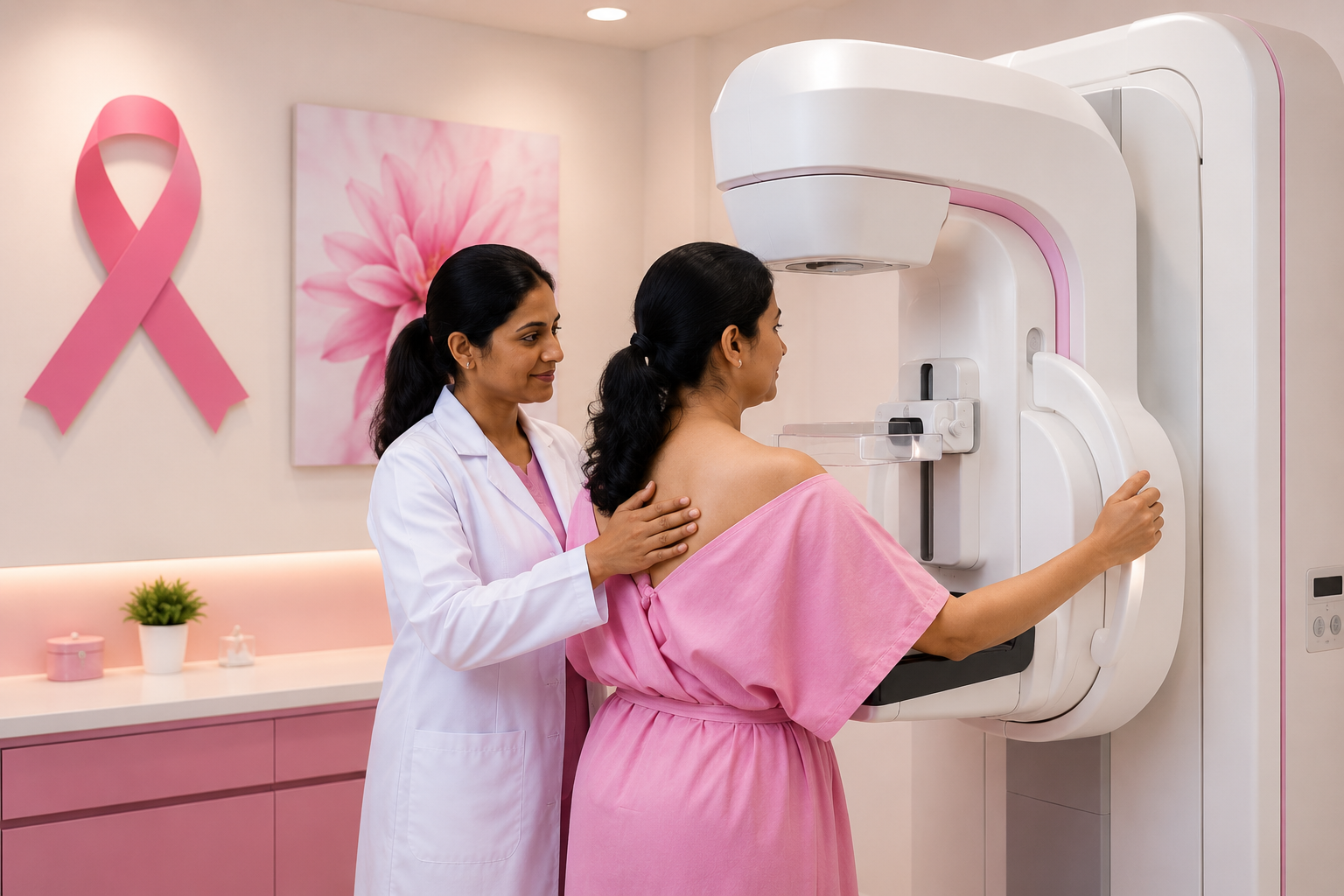
Breast cancer develops due to abnormal growth of breast cells. While the exact cause is not always known, several factors can increase a person's risk.
Common risk factors include:
Age
The risk of breast cancer increases as women grow older, especially after the age of 40.
Family History
Having a mother, sister, daughter, or close relative diagnosed with breast cancer increases your risk.
Genetic Mutations
Inherited gene mutations such as BRCA1 and BRCA2 significantly increase the likelihood of developing breast cancer.
Hormonal Factors
Long-term exposure to estrogen, early menstruation, late menopause, or hormone replacement therapy may contribute to increased risk.
Obesity
Excess body weight, particularly after menopause, is associated with a higher risk of breast cancer.
Physical Inactivity
A sedentary lifestyle may increase the likelihood of developing several cancers, including breast cancer.
Alcohol Consumption
Regular alcohol intake has been linked to an increased risk of breast cancer.
Previous Breast Conditions
Certain benign breast diseases or a personal history of breast cancer may increase future risk.
Radiation Exposure
Women who received radiation therapy to the chest at a young age have a higher lifetime risk.
Lifestyle Factors
Smoking, unhealthy diet, and lack of exercise may also contribute to overall cancer risk.
Understanding these risk factors allows doctors to recommend the most appropriate breast cancer screening schedule and preventive strategies for each individual.