Experienced Specialists
Consult with doctors experienced in diagnosis and treatment planning.

General Surgery is a medical specialty that focuses on the diagnosis and treatment of conditions that may require surgical care. It commonly includes problems related to the abdomen, appendix, gallbladder, hernia, breast, thyroid, soft tissue swellings, wounds, infections, and emergency surgical conditions. A general surgeon manages the patient before surgery, during surgery, and after surgery, including diagnosis, treatment planning, operation, recovery, and follow-up care
Consult with doctors experienced in diagnosis and treatment planning.
Investigation-led decisions through modern diagnostic pathways.
Selected procedures may be planned with efficient hospital stay strategy.
Insurance desk assistance for approvals and documentation workflow.
General Surgery is provided through diagnosis-based care to improve symptoms, comfort, and long-term health outcomes with specialist guidance.
General Surgery at Epic International Hospitals, Banjara Hills, Hyderabad is managed through specialist consultation, clinical diagnosis, and patient-specific treatment pathways.
Care may include medication, minimally invasive procedures, or surgery when needed, along with insurance coordination and follow-up guidance.
Explore the major General Surgery categories below. Each category groups the relevant treatment and procedure pages already published in the CMS.
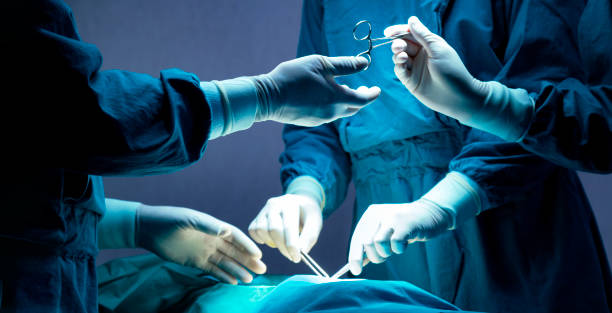
Structured pathways for diagnosis, treatment planning, and procedure access.
Abdominal surgery refers to surgical operations aimed at the diagnosis and treatment of diseases in the abdomen. The abdomen is home to some organs like the appendix, gallbladder, intestines, stomach, liver, spleen, pancreas, and abdominal wall.
Laparoscopic surgery, also called keyhole surgery or minimally invasive surgery, is a modern surgical technique performed through small cuts instead of one large incision.
Breast surgeries are procedures performed to diagnose or treat breast lumps, benign breast conditions, breast abscess, breast infection, nipple problems, breast tumors, or breast cancer.
Thyroid and endocrine surgeries are procedures performed to treat diseases of hormone-producing glands such as the thyroid, parathyroid, adrenal glands, and selected neuroendocrine tumors.
Skin and soft tissue procedures are minor surgical treatments performed to diagnose or remove abnormal growths, infections, swellings, wounds, or lumps involving the skin, fat, and underlying soft tissues.
Colorectal procedures are diagnostic tests and treatments performed for diseases affecting the colon (large intestine), rectum and anus. They may be done through endoscopy, minimally invasive surgery, robotic surgery or open surgery, depending on the condition.
Oncology surgeries are procedures performed to diagnose, remove, or control cancerous tumors in different parts of the body. These surgeries may be advised for cancers affecting the breast, stomach, intestine, colon, rectum, thyroid, skin, soft tissues, or other organs.
Other procedures include various surgical and minimally invasive treatments performed to diagnose, manage, or treat different medical conditions.
General surgeons treat a wide range of conditions that affect the abdomen, digestive system, breast, thyroid, skin, soft tissues, and emergency surgical problems. They help patients with both planned surgeries and urgent conditions that need immediate care.
General Surgery is managed through specialist evaluation, diagnosis-led planning, and patient-friendly treatment pathways at Epic International Hospitals.
The goal is to confirm the condition early, understand severity, and choose the right medical, minimally invasive, or surgical option based on clinical findings.
General surgery conditions can show different symptoms depending on the affected organ or body part. Common symptoms include:
Appendicitis commonly causes pain that may start around the belly button and shift to the lower right abdomen, with nausea, vomiting, fever, or loss of appetite.
General surgery problems may occur due to infection, inflammation, blockage, injury, weak abdominal muscles, gallstones, tumors, lifestyle factors, obesity, poor wound healing, diabetes, family history, or previous surgery. Hernias can happen when internal tissue pushes through a weak area in the abdominal wall. Gallbladder problems are commonly linked to gallstones, which may cause pain or infection.
Risk factors may include:
If surgical conditions are ignored, they may become more serious. Possible complications include:
Appendicitis needs urgent hospital treatment because an infected appendix can burst and spread infection inside the abdomen.
You should consult a general surgeon if you have:
Sudden severe abdominal pain, vomiting, fever, or swelling should not be ignored because some conditions may need urgent treatment.
Diagnosis starts with a detailed consultation and physical examination. Based on symptoms, the doctor may advise:
For many abdominal conditions, imaging and blood tests help confirm the diagnosis and decide whether medicines, observation, or surgery is required.
Diagnosis starts with a detailed consultation and physical examination. Based on symptoms, the doctor may advise:
For many abdominal conditions, imaging and blood tests help confirm the diagnosis and decide whether medicines, observation, or surgery is required.
1. Consultation
The surgeon checks symptoms, medical history, previous reports, pain pattern, swelling, fever, vomiting, wound history, and other health conditions.
2. Examination
A physical examination is done to identify swelling, tenderness, lump, wound, hernia, infection, or surgical emergency.
3. Tests and diagnosis
Blood tests, ultrasound, CT scan, biopsy, or other investigations may be advised depending on the condition.
4. Treatment planning
The doctor explains whether the patient needs medicines, observation, minor procedure, daycare surgery, laparoscopic surgery, or emergency surgery.
5. Pre-surgery preparation
If surgery is needed, fitness evaluation, anesthesia assessment, fasting instructions, and medication guidance are given.
6. Surgery or procedure
The surgery is performed using open or minimally invasive methods depending on the diagnosis and patient suitability.
7. Recovery and follow-up
After treatment, the patient receives wound care instructions, diet advice, medicines, activity guidance, and follow-up schedule.
Timely general surgery treatment can help with:
Early consultation helps identify whether a condition can be managed with medicines or needs surgery.
Recovery depends on the type of surgery, patient health, and disease severity. Minor procedures may need only a short recovery period, while major surgeries may need more rest and follow-up. After surgery, patients should follow the doctor’s instructions carefully.
Important aftercare includes:
After laparoscopic surgery, many patients recover faster than traditional open surgery, but recovery time still depends on the condition, procedure, and patient fitness.

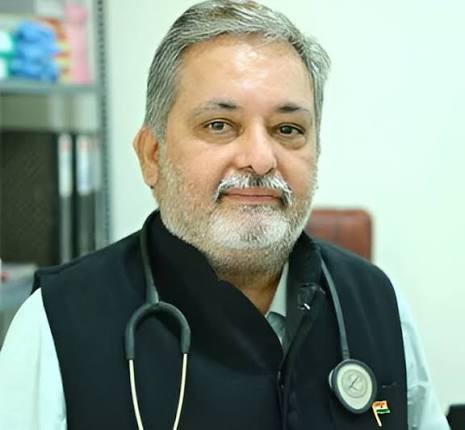

Epic International Hospitals supports general surgery care through specialist-led treatment planning, coordinated diagnostics, and patient-friendly follow-up workflows.
Cost depends on diagnosis complexity, condition severity, investigations, treatment type, hospital stay duration, medicines, and insurance coverage conditions.
For accurate planning, request a personalized estimate after specialist consultation and test review.
Insurance and cashless support may be available based on policy terms, hospital empanelment, and insurer approval.
Epic International Hospitals in Banjara Hills, Hyderabad offers consultation, diagnosis, and treatment planning for general surgery with specialist support.
Patients commonly reach the hospital from nearby areas including Jubilee Hills, Ameerpet, Punjagutta, Mehdipatnam, Somajiguda, and other parts of Hyderabad.
No related blog articles are published for this specialty yet.
Connect with our care team for specialist consultation, diagnosis support, and treatment planning.
This information is for general awareness only and should not replace medical consultation. Please consult a qualified doctor for diagnosis and treatment advice.