• Mon - Sunday 8:00 AM - 10:00 PM
  • Phone: +91 81212 00400
  • WhatsApp: +91 81212 00400
  • Mon - Sunday 8:00 AM - 10:00 PM
  • Phone: +91 81212 00400
  • WhatsApp: +91 81212 00400
Epic International Hospitals
  • About
    • About Epic
    • Chairman Message
    • Director Message
  • Specialties
    • All Specialties
    • Interventional Radiology
    • Interventional Cardiology
    • Endocrinology
    • General Surgery
    • Hair and Skin Care
    • Urology
    • Gastro-Intestinal
    • Neurology
    • Oncology
    • Pediatrics
    • Pulmonary
  • Doctors
  • Blogs
  • More
    • Research & Innovation
    • Education & Training
    • Media & News
    • Careers
    • Gallery
  • Contact
Epic International Hospitals
    • About Epic
    • Chairman Message
    • Director Message
    • All Specialties
    • Interventional Radiology
    • Interventional Cardiology
    • Endocrinology
    • General Surgery
    • Hair and Skin Care
    • Urology
    • Gastro-Intestinal
    • Neurology
    • Oncology
    • Pediatrics
    • Pulmonary
  • Doctors
  • Blogs
    • Research & Innovation
    • Education & Training
    • Media & News
    • Careers
    • Gallery
  • Contact

Contact Info

  • 2nd floor, B/1, 8-2-277, Road No. 2, BNR Colony, Venkat Nagar, Banjara Hills, Hyderabad, Telangana 500034
  • +91 81212 00400
  • +91 81218 00400
  • info@eihospitals.com

Interventional Radiology in Hyderabad

  • Home
  • > Interventional Radiology in Hyderabad

Interventional Radiology in Hyderabad

Interventional Radiology , also known as IR , is an advanced medical specialty that uses real-time imaging guidance such as ultrasound, CT, fluoroscopy and Doppler to diagnose and treat conditions inside the body with high precision. Instead of open surgery and large incisions, interventional radiologists perform minimally invasive image-guided procedures through a small skin entry point using fine needles, catheters or wires.

Book AppointmentCall NowGet Second Opinion
Interventional Radiology in Hyderabad
  • Experienced Specialists
    Consult with doctors experienced in diagnosis and treatment planning.
  • Advanced Diagnostic Support
    Investigation-led decisions through modern diagnostic pathways.
  • Day-Care / Short-Stay Options
    Selected procedures may be planned with an efficient hospital stay strategy.
  • Insurance & Cashless Support
    Insurance desk assistance for approvals and documentation workflow.

Quick Answer

Interventional Radiology uses image guidance to diagnose and treat many conditions through tiny needle or catheter access, often avoiding large surgical incisions. Depending on the condition, procedures may be performed as day-care or short-stay treatments after specialist evaluation.

Interventional Radiology Overview

Interventional Radiology uses image-guided, minimally invasive techniques to diagnose and treat a wide range of medical conditions through small incisions or catheter-based procedures. At EPIC International Hospitals, Jubilee Hills, Hyderabad, patients are evaluated by interventional radiology specialists and treatment is planned according to the diagnosis, imaging findings, symptoms, and individual clinical needs. Depending on the condition, treatment may include embolization, ablation, angioplasty, venous interventions, image-guided biopsies, drainage procedures, and other minimally invasive therapies.

Clinical Pathways

Specialty Categories

Explore the major Interventional Radiology categories below. Each category groups relevant treatment and procedure pages published in the CMS.

13Category Groups
41Published Topics
Interventional Radiology specialty overview
Epic Specialty View

Interventional Radiology

Drainage Procedures
3 topics
01

Drainage Procedures

Drainage procedures are minimally invasive treatments used to remove abnormal fluid, pus, bile, urine, blood, or infected collections from the body. These procedures may be needed when fluid buildup causes pain, swelling, fever, infection, pressure on nearby organs, jaundice, urine blockage, or delayed recovery after surgery.

Abscess DrainageFluid DrainageImage-Guided Drainage
View Category→
Diagnostic Procedures
2 topics
02

Diagnostic Procedures

Diagnostic procedures are medical tests used to find the exact cause of symptoms and confirm a disease before planning treatment. These procedures help doctors understand what is happening inside the body, whether it is a blockage, infection, tumor, bleeding, fluid collection, organ problem, or blood vessel disease.

Image-guided biopsiesAngiography
View Category→
Treatments for Blood Clots
3 topics
03

Treatments for Blood Clots

Blood Clot (Thrombosis) treatment includes anticoagulant medicines (blood thinners), thrombolytic drugs to dissolve clots, and interventional procedures like thrombectomy or catheter-directed therapy to restore normal blood flow and prevent complications like stroke or embolism.

Catheter-Directed ThrombolysisMechanical ThrombectomyPulmonary Embolism Interventions
View Category→
Common Conditions Treated by Interventional Cardiologists
4 topics
04

Common Conditions Treated by Interventional Cardiologists

Interventional Cardiology commonly treats conditions such as Coronary Artery Disease, heart attacks (Myocardial Infarction), blocked or narrowed blood vessels, valvular heart diseases, congenital heart defects, peripheral artery disease, and blood clots using minimally invasive catheter-based procedures.

Peripheral Artery DiseaseCarotid Artery DiseasePulmonary Embolism
View Category→
Peripheral Vascular Interventions
3 topics
05

Peripheral Vascular Interventions

Peripheral Vascular Interventions are minimally invasive procedures used to treat blocked or narrowed arteries and veins outside the heart, commonly in the legs, to improve blood flow and relieve symptoms like pain, ulcers, and poor circulation.

Peripheral AngiographyPeripheral Angioplasty and StentingCarotid Artery Stenting
View Category→
Cancer Treatments
5 topics
06

Cancer Treatments

Cancer Treatments include advanced medical procedures and therapies used to diagnose, control, remove or destroy cancer cells while helping patients maintain better quality of life. The right cancer treatment plan depends on the type of cancer, stage of disease, tumor location, overall health condition and diagnostic test results.

Tumor AblationChemoembolization (TACE)Radioembolization (Y-90)
View Category→
Emergency Bleeding Treatments
0 topics
07

Emergency Bleeding Treatments

Emergency Bleeding Treatments are life-saving interventional radiology procedures used to rapidly identify and control internal bleeding without the need for major surgery. These minimally invasive treatments are performed under image guidance using techniques such as angiography and embolization to locate the source of bleeding and stop it effectively.

View Category→
Spine and Pain Management
3 topics
08

Spine and Pain Management

Spine and pain management focuses on diagnosing and treating back pain, neck pain, nerve pain, slipped disc pain, sciatica, joint pain, and chronic pain conditions that affect daily life. Many spine-related pains happen due to disc problems, nerve compression, arthritis, spinal stenosis, muscle strain, injury, or age-related changes in the spine.

VertebroplastyKyphoplastyImage-guided pain injections
View Category→
Women's Health Treatments
2 topics
09

Women's Health Treatments

Women’s health treatments focus on diagnosing, treating, and preventing health problems related to the female reproductive system, pregnancy, hormones, breast health, menstrual health, menopause, and overall wellness. These treatments are important for women at every stage of life, from adolescence and reproductive age to pregnancy, motherhood, menopause, and later years.

Uterine Fibroid EmbolizationPelvic Congestion Syndrome Treatment
View Category→
Liver & Biliary Procedures
3 topics
10

Liver & Biliary Procedures

Liver and biliary procedures are minimally invasive treatments used to diagnose and manage problems affecting the liver, bile ducts, gallbladder, and nearby drainage system. These procedures may be needed for liver tumors, bile duct blockage, jaundice, bile leakage, liver abscess, gallbladder infection, or complications caused by stones, cancer, infection, or injury.

Biliary DrainageBiliary Stent PlacementTIPS Procedure
View Category→
cancer treatments
3 topics
11

Kidney & Urinary Treatments

Kidney and urinary treatments are used to diagnose and manage problems affecting the kidneys, ureters, bladder, and urine drainage system. These treatments may be needed when urine flow is blocked, infection is not settling, stones are causing obstruction, kidney function is affected, or there is bleeding, swelling, or abnormal growth in the urinary tract.

Nephrostomy Tube PlacementUreteral Stent PlacementKidney Biopsy
View Category→
Vascular Treatments
7 topics
12

Vascular Treatments

Vascular therapies help to diagnose and treat any diseases of the blood vessels. Vascular therapies might be required for a reduction, blockage, leakage, or even reversed flow of the blood. Vascular disorders include peripheral artery disease, varicose veins, deep vein thrombosis, diabetic foot problems, non-healing ulcers, carotid artery disease, aneurysms, and clots in the blood.

AngioplastyStent PlacementThrombectomy
View Category→
Dialysis and Venous Access
3 topics
13

Dialysis and Venous Access

Dialysis and venous access procedures are used to create, maintain, or restore safe blood vessel access for patients who need hemodialysis or long-term intravenous treatment. Hemodialysis needs a reliable access point because blood must flow from the body to the dialysis machine, get filtered, and return back to the body.

Dialysis fistula and graft interventionsCentral venous catheter placementChemotherapy port placement
View Category→

Table of Contents

  • Quick Answer
  • Interventional Radiology Overview
  • Specialty Categories
  • What is Interventional Radiology?
  • When Should You Consult an Interventional Radiologist?
  • Conditions Treated with Interventional Radiology
  • Risks and Complications
  • When Should You See a Doctor?
  • Diagnosis
  • Treatment Options
  • Treatment Process
  • Benefits of Treatment
  • Recovery and Aftercare
  • Doctors for Interventional Radiology in Hyderabad
  • Why Choose Epic International Hospitals?
  • Cost of Interventional Radiology
  • Insurance and Cashless Support
  • Interventional Radiology Near Banjara Hills, Hyderabad
  • Related Blogs
  • Book an Appointment for Interventional Radiology in Hyderabad

What is Interventional Radiology?

At Epic International Hospitals, interventional radiology is handled by specialists who plan treatments around diagnosis and make sure patients get clear, comfortable care. We want to catch the condition early, figure out how bad it is, then pick the best treatment, medical, minimally invasive, or surgical, based on what the tests show.

When Should You Consult an Interventional Radiologist?

Interventional Radiology covers many procedures that are minimally invasive and guided by imaging. Doctors send patients to an interventional radiologist when symptoms point to something serious, a diagnosis needs more help, or surgery isn't an option. Patients might need an IR consult if they have:

Leg veins that look twisted, along with pain, a heavy feeling, swelling, or sores that won't heal.

Swollen legs, calf pain, redness, could be a DVT.

Heavy periods, pelvic pain, or signs of uterine fibroids.

Trouble emptying your bladder, going often, or signs of a swollen prostate.

Swollen neck, thyroid lump, or trouble swallowing. Back pain from long-term strain, broken spine, or nerves pressing on the spine.

Conditions Treated with Interventional Radiology

The risks of an interventional radiology procedure depend on the condition being treated, the technique used and the patient's overall health. Possible risks may include temporary pain or bruising at the access site, bleeding, infection, contrast-related reactions or blood-vessel injury. Your interventional radiologist will discuss procedure-specific benefits and risks before treatment.

Risks and Complications

Ignoring the disease lets things spiral out of control. If vascular disease goes untreated, it can lead to pain, swelling, sores, bleeding, organ damage, or even a hospital visit, depending on what's wrong. Procedures like IR are typically not very invasive. Like any medical procedure, there are risks, like pain at the insertion spot, bruising, bleeding, infection, reactions to dye, damage to blood vessels, clots, fever, temporary discomfort, or needing a follow-up.

When Should You See a Doctor?

See an interventional radiologist if your symptoms keep coming back even with meds, if surgery's been suggested but you're curious about a less invasive alternative, or if your doctor says imaging can help guide a diagnosis or treatment. Get medical help right away if you feel sudden sharp pain, sudden leg swelling, can't breathe, bleed badly, have stroke signs, severe belly pain, high fever, fast-swelling areas, or a wound/ulcer that won't heal.

Diagnosis

The process of diagnosis begins with a consultation, followed by a review of the patient's medical history, a physical examination, and an assessment of any prior reports. Based on the specific condition, the doctor might recommend investigations such as blood tests, ultrasounds, color Doppler studies, CT scans, MRIs, angiography, venography, or image-guided biopsies. Interventional radiologists utilize imaging techniques to precisely pinpoint the affected area and determine the safest approach for treatment.

Treatment Options

Numerous cutting-edge treatment options are available in interventional radiology, such as:

- Stenting and angioplasty for constricted or obstructed blood vessels

- Embolization for certain tumors, fibroids, varicocele, bleeding, and prostate enlargement

- For certain vein and nodule conditions, laser, radiofrequency, microwave ablation, and glue therapy are used.

- For certain blood clot conditions, thrombolysis and thrombectomy

- Image-guided biopsy for precise tissue identification

- Abscess and fluid drainage under CT or ultrasound guidance

- Nephrostomy, biliary, and urinary procedures for kidney drainage or blocked ducts

- Vertebroplasty, kyphoplasty, and pain management techniques for specific disorders of the spine

- Tumor ablation and cancer-related treatments for specific lung, liver, kidney, and other tumors

Treatment Process

The patient first has a consultation and report review with the interventional radiologist. The condition, available options, advantages, risks, and whether the procedure can be performed in daycare or necessitates admission are all explained by the doctor. The patient is prepared in a sterile procedure room or cath lab on the day of the procedure. Depending on the situation, local anesthesia, sedation, or anesthesia support are used to perform the majority of IR procedures via a tiny needle puncture. The doctor can precisely position the needle or catheter at the target site with the aid of imaging guidance. Following treatment, the puncture site is covered, and the patient is observed during their recuperation before.

Benefits of Treatment

Interventional radiology's primary advantage is that it can treat a wide range of conditions without requiring extensive surgery. The treatment can lessen tissue damage because it is targeted and image-guided. When compared to open surgical techniques, many IR procedures offer smaller punctures, less pain, lower risk, shorter hospital stays, and faster recovery. Additional advantages include the potential for daycare in certain situations, a quicker return to daily life, accurate treatment planning, options for organ preservation, fewer large cuts and stitches, and treatment options for patients who might not be suitable for major surgery.

Recovery and Aftercare

The type of procedure determines recovery. While some patients are discharged the same day, others might require hospitalization or observation. Following the procedure, patients are typically instructed to rest, keep the puncture site dry and clean, refrain from heavy lifting for a few days, take medications as directed, drink fluids if contrast was used, and attend imaging follow-up appointments as needed. According to Radiology Info, unless the physician advises otherwise, patients are frequently told to increase their fluid intake following iodine-based contrast in order to aid in the removal of contrast from the body. If you experience worsening pain, call the hospital right away.

Doctors for Interventional Radiology in Hyderabad

Dr. Balaji Patel Kola

Dr. Balaji Patel Kola

Specialty: Interventional Radiology

Experience: 20+ Years

Expertise: Dr

View ProfileBook Appointment
Dr. Rajesh K Enagala

Dr. Rajesh K Enagala

Specialty: Interventional Radiology

Experience: 20+ Years

Expertise: Dr

View ProfileBook Appointment
Dr. Vijay K.E

Dr. Vijay K.E

Specialty: Interventional Radiology

Experience: 7+ Years

Expertise: Dr

View ProfileBook Appointment

Why Choose Epic International Hospitals?

Epic International Hospitals supports interventional radiology care through specialist-led treatment planning, coordinated diagnostics, and patient-friendly follow-up workflows.

  • Multispecialty hospital in Banjara Hills, Hyderabad
  • Experienced doctors and coordinated clinical teams
  • Advanced diagnostic and treatment support
  • Day-care and short-stay planning for selected procedures
  • Insurance and cashless coordination assistance
  • Patient safety, recovery guidance, and follow-up focus

Cost of Interventional Radiology

Cost depends on diagnosis complexity, condition severity, investigations, treatment type, hospital stay duration, medicines, and insurance coverage conditions.

For accurate planning, request a personalized estimate after specialist consultation and test review.

Request Cost Estimate

Insurance and Cashless Support

Insurance and cashless support may be available based on policy terms, hospital empanelment, and insurer approval.

  • Policy and eligibility review support
  • Pre-authorisation and documentation assistance
  • Approval coordination with insurer or TPA
  • Billing and discharge guidance for approved cashless cases

Interventional Radiology Near Banjara Hills, Hyderabad

Epic International Hospitals in Banjara Hills, Hyderabad offers consultation, diagnosis, and treatment planning for interventional radiology with specialist support.

Patients commonly reach the hospital from nearby areas including Jubilee Hills, Ameerpet, Punjagutta, Mehdipatnam, Somajiguda, and other parts of Hyderabad.

Epic International Hospitals

2nd floor, B/1, 8-2-277, Road No. 2, BNR Colony, Venkat Nagar, Banjara Hills, Hyderabad, 500034

Phone: +91 81212 00400 / +91 81218 00400

Email: info@eihospitals.com

Get Directions

Related Blogs

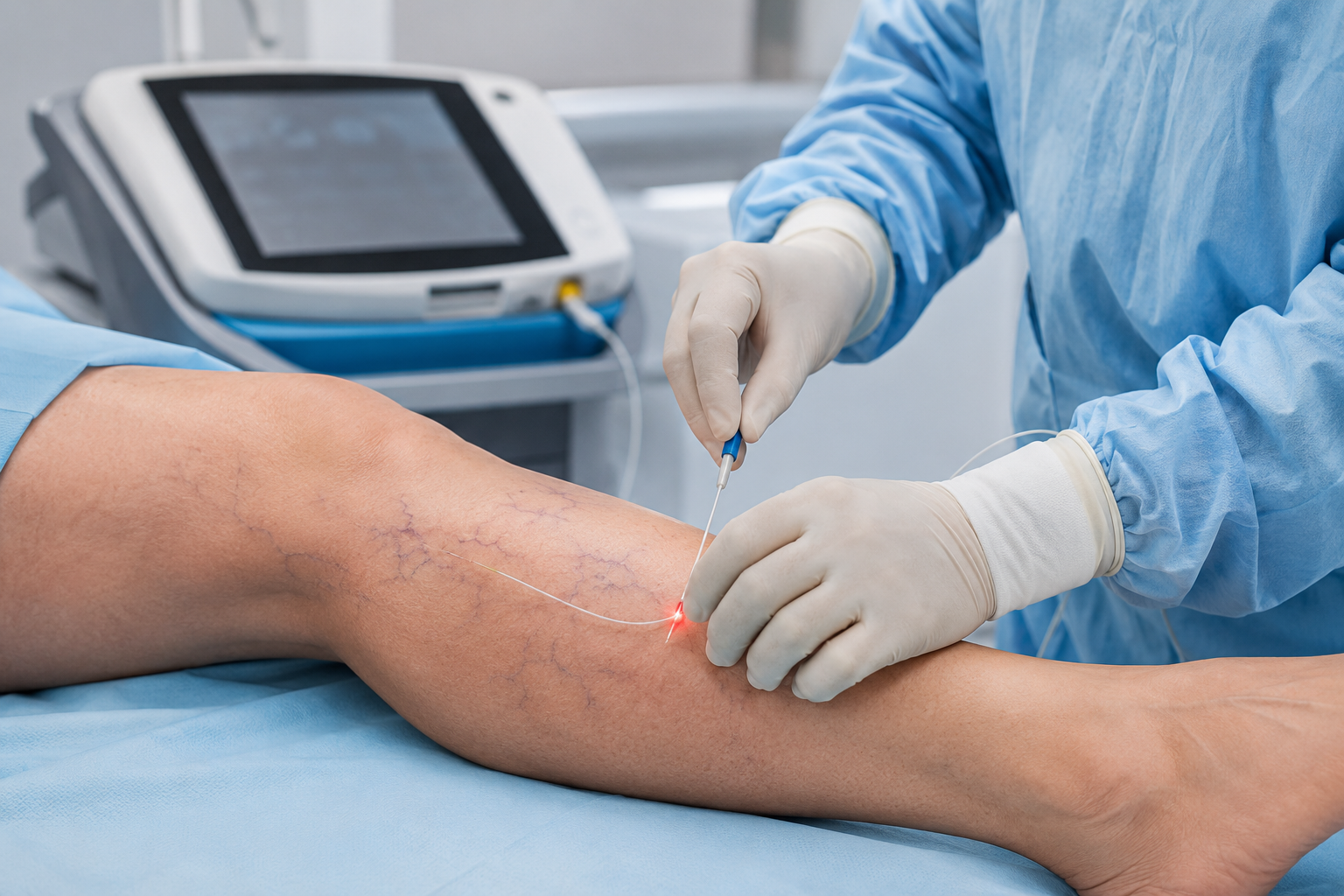
What Is the Best Varicose Veins Treatment in 2026?
Health Blog

What Is the Best Varicose Veins Treatment in 2026?

Compare advanced laser, radiofrequency, microwave and glue treatments to find the right option for healthier, pain-free legs.

Read Article
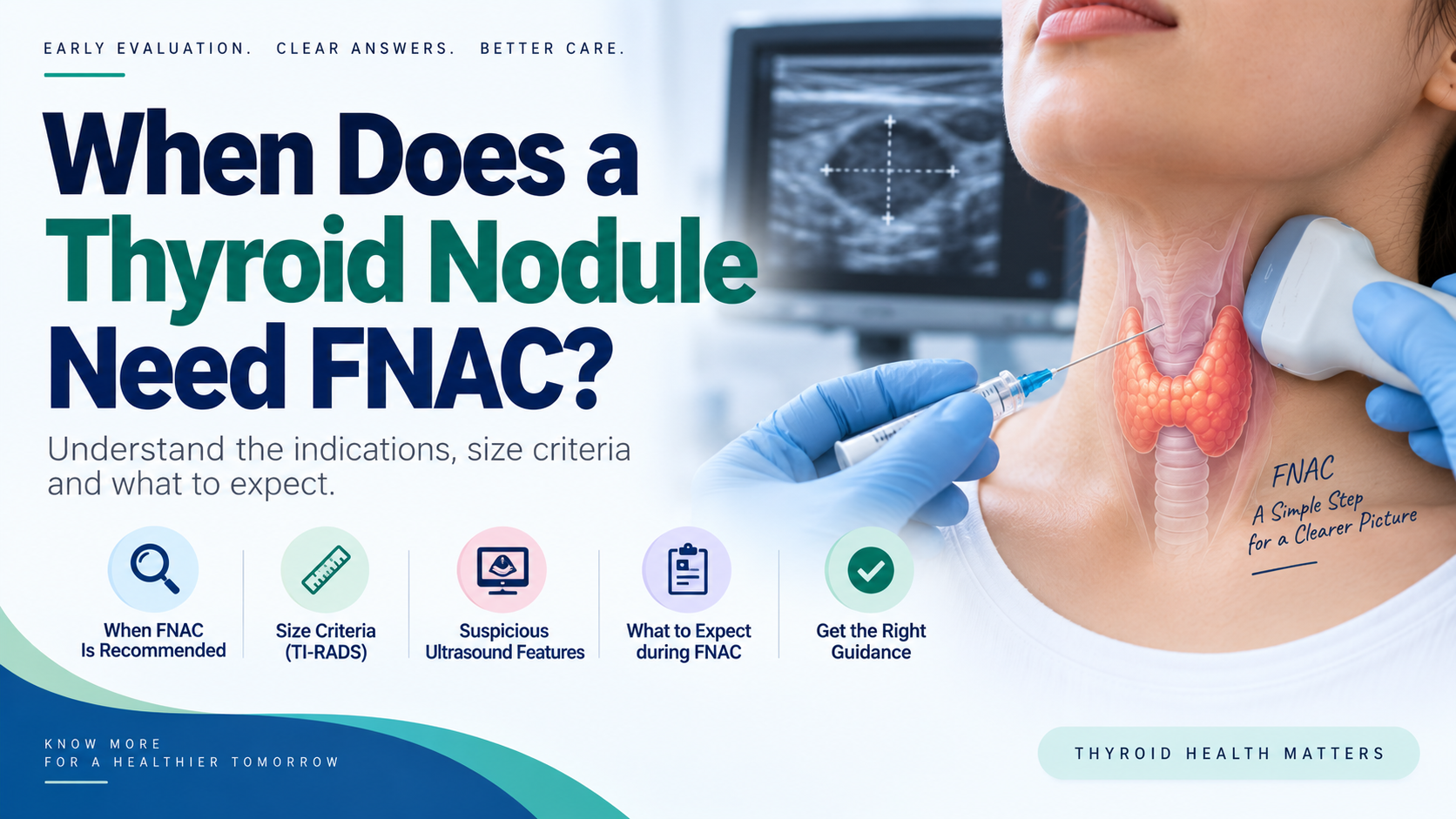
When Does a Thyroid Nodule Need FNAC? Size & TI-RADS Guide
Health Blog

When Does a Thyroid Nodule Need FNAC? Size & TI-RADS Guide

Learn when a thyroid nodule may need FNAC based on size, ultrasound features and ACR TI-RADS category. Understand TR3, TR4 and TR5 biopsy thresholds and when follow-up may be recommended.

Read Article

Book an Appointment for Interventional Radiology in Hyderabad

Connect with our care team for specialist consultation, diagnosis support, and treatment planning.

Book AppointmentCall NowRequest CallbackGet Directions

Medical Disclaimer

This information is for general awareness only and should not replace medical consultation. Please consult a qualified doctor for diagnosis and treatment advice.

Epic International Hospitals

Epic International Hospitals delivers specialist-led treatment with a strong focus on day-care pathways, coordinated care, and safer recovery outcomes.

Multispecialty careDay-care proceduresSame-day discharge

Pages

  • About Us
  • Specialties
  • Doctors
  • International Patients
  • Insurance Partners
  • Health Packages
  • Cities We Serve
  • Biomedical Waste Management
  • Contact

Specialties

  • Interventional Radiology
  • Interventional Cardiology
  • Endocrinology
  • General Surgery
  • Hair and Skin Care
  • Urology

Contact Us

Address2nd floor, B/1, 8-2-277, Road No. 2, BNR Colony, Venkat Nagar, Banjara Hills, Hyderabad, Telangana 500034
Phone
+91 81212 00400+91 81218 00400
Email
info@eihospitals.com
For appointments, treatment guidance, and access support, contact our care coordination team.
  • Privacy Policy
  • Terms & Conditions
  • Patient Rights
  • Grievance
  • Doctor Registration
  • Medical Disclaimer

Copyright Vega Web Solutions | All Rights Reserved