Experienced Specialists
Consult with doctors experienced in diagnosis and treatment planning.

An anal fissure is a small tear in the lining of the anal canal that can cause sharp pain, burning, and bleeding during or after bowel movements. Although many newly developed fissures improve with conservative treatment, fissures that persist or repeatedly return may require specialist evaluation and advanced treatment.
At EPIC International Hospitals, Banjara Hills, Hyderabad , patients with anal fissures are evaluated individually to understand the cause, duration, severity, bowel habits, sphincter spasm, and previous treatment history.
Consult with doctors experienced in diagnosis and treatment planning.
Investigation-led decisions through modern diagnostic pathways.
Selected procedures may be planned with efficient hospital stay strategy.
Insurance desk assistance for approvals and documentation workflow.
What is Fissure Laser Treatment?
Fissure Laser Treatment is provided through diagnosis-based care to improve symptoms, comfort, and long-term health outcomes with specialist guidance.
Fissure Laser Treatment in Hyderabad at Epic International Hospitals, Banjara Hills, Hyderabad is planned through specialist consultation, clinical diagnosis, and patient-specific treatment pathways. Care may include medication, minimally invasive procedures, or surgery when needed. Our workflow covers appointment support, diagnostic clarity, treatment planning, insurance coordination, and follow-up guidance to improve comfort, recovery, and long-term outcomes.
An anal fissure is a tear in the sensitive lining of the anal canal.It commonly develops after passing a hard or large stool. Once the tear occurs, the internal anal sphincter muscle may go into spasm.This spasm can reduce blood flow to the affected area and make healing more difficult. As a result, some fissures may continue to cause pain even after the initial episode of constipation has improved.Patients often describe the pain as sharp or cutting during bowel movements, followed by burning or discomfort that may continue for several minutes or hours.
Anal fissures are broadly classified as acute or chronic.
An acute fissure has developed relatively recently.
Many acute fissures can heal with appropriate measures such as:
Keeping stools soft
Increasing dietary fibre
Drinking adequate fluids
Avoiding excessive straining
Warm sitz baths
Prescription medicines when required
Early treatment is important because repeated injury during bowel movements can prevent healing.
A fissure that persists or repeatedly returns may become chronic.
Chronic fissures may be associated with:
Persistent anal sphincter spasm
Thickened fissure edges
A small external skin tag
Repeated pain and bleeding
Failure to improve despite medical treatment
Chronic fissures require careful assessment because treatment needs to address both the fissure and the underlying factors preventing healing.
Depending on the procedure performed and the patient's condition, potential benefits may include:
Limited tissue trauma
Smaller treatment area
Day-care management in selected patients
Early return to normal activities
Reduced postoperative discomfort in appropriately selected cases
Individual results and recovery vary.Patients should discuss the expected benefits and limitations of the recommended treatment before undergoing a procedure.
All procedures have potential risks.
Depending on the treatment performed, these may include:
Pain
Bleeding
Infection
Delayed wound healing
Persistence of symptoms
Recurrence of the fissure
Temporary bowel-control changes
Rare continence-related complications with procedures involving the sphincter
Your surgeon should explain the risks associated with the specific procedure recommended for you.
Successful treatment should be followed by attention to bowel habits.
Important measures include:
Avoid repeated episodes of constipation.
Include fruits, vegetables, whole grains and other fibre-rich foods.
Adequate fluid intake helps maintain normal stool consistency.
Do not spend unnecessary time sitting and straining in the toilet.
Do not repeatedly suppress the urge to pass stool.
Continue medicines and postoperative measures for the recommended duration.
Treating the fissure without correcting constipation can increase the possibility of recurrence.
Patients are generally encouraged to consume foods that support soft, regular bowel movements.
Useful options may include:
Green vegetables
Fruits
Whole grains
Oats
Dal and pulses
Fibre-rich cereals
Adequate water
Patients with significant constipation may require additional bowel-management measures as recommended by their doctor.Very spicy foods do not directly cause every fissure, but some patients find that they increase irritation during bowel movements.Dietary recommendations can therefore be individualized.
The cost of fissure treatment varies depending on the treatment required.
Factors that may influence the total cost include:
Whether the fissure is acute or chronic
Treatment selected
Anaesthesia requirements
Investigations required
Day-care or hospital charges
Associated anorectal conditions
Insurance eligibility
A treatment estimate can be provided after consultation and clinical evaluation.
Patients with applicable health insurance can also check their eligibility for cashless or reimbursement support.
EPIC International Hospitals provides evaluation and treatment for patients with anal fissure and other common anorectal conditions at Banjara Hills, Hyderabad.The hospital is accessible to patients travelling from areas including Jubilee Hills, Punjagutta, Mehdipatnam and nearby parts of Hyderabad.
Address:
2nd Floor, B/1, 8-2-277, Road No. 2,
BNR Colony, Venkat Nagar,
Banjara Hills, Hyderabad – 500034.
Phone: +91 81212 00400
Treatment of a chronic fissure should focus on the actual cause of non-healing rather than simply treating pain.At EPIC International Hospitals, treatment planning is based on clinical evaluation and may include conservative, medical, minimally invasive or surgical approaches depending on the patient's condition.
Our focus includes:
Individualized treatment planning
Evaluation before recommending surgery
Minimally invasive options for suitable patients
Day-care treatment where clinically appropriate
Post-treatment bowel and constipation management
Follow-up after the procedure
Management of associated piles, fistula and other anorectal conditions
The objective is to select the most appropriate treatment for each patient rather than recommend the same procedure for every fissure.
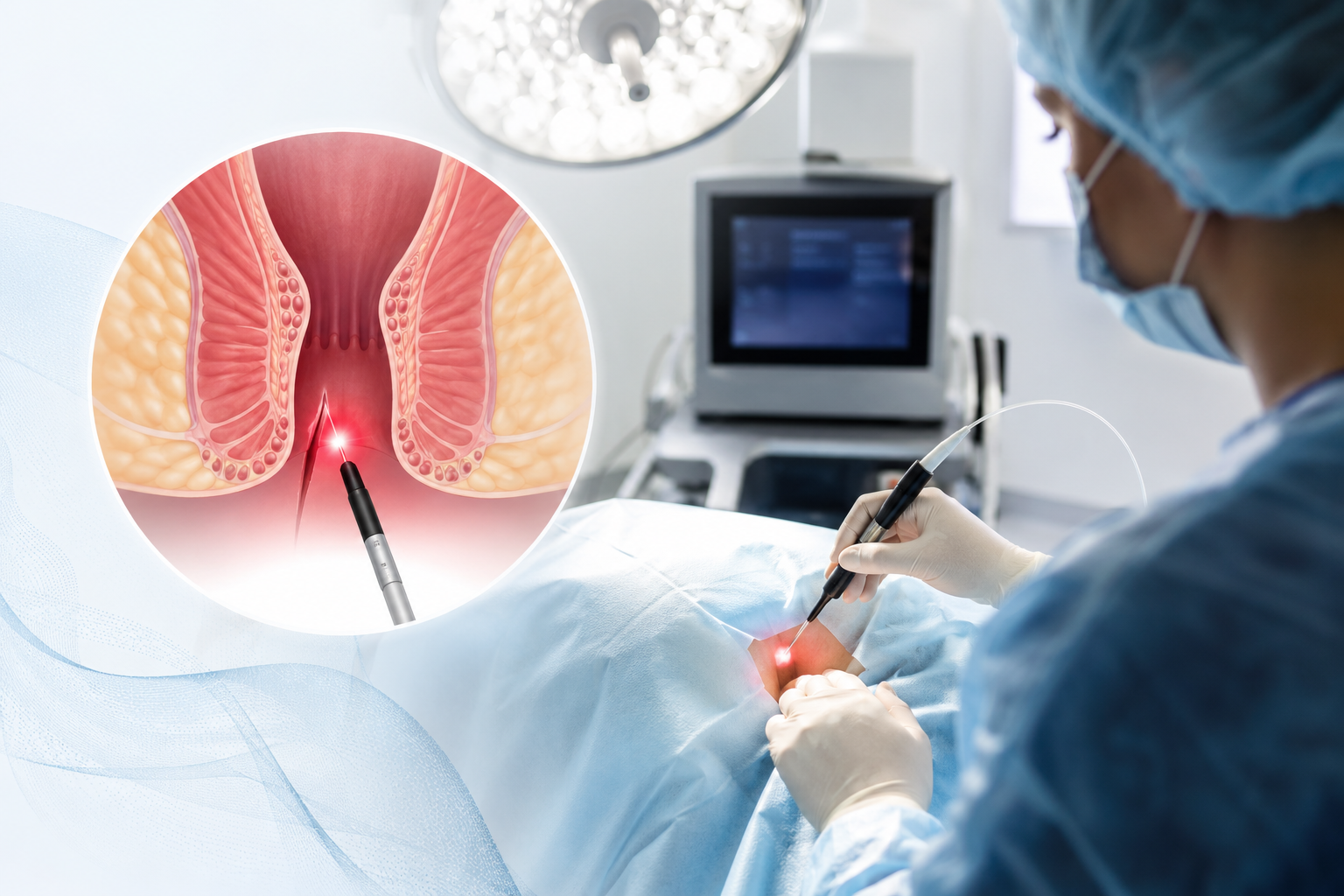
Anal fissures are broadly classified as Acute or Chronic.
An acute fissure has developed relatively recently.
Many acute fissures can heal with appropriate measures such as:
Early treatment is important because repeated injury during bowel movements can prevent healing.
A fissure that persists or repeatedly returns may become chronic.
Chronic fissures may be associated with:
Chronic fissures require careful assessment because treatment needs to address both the fissure and the underlying factors preventing healing
Common complaints include:
Sharp pain during bowel movements
Burning pain after passing stool
Fresh red blood on toilet paper
Blood streaks over the stool
Fear of passing stool because of pain
Constipation caused by avoiding bowel movements
Itching or irritation around the anus
Recurrent pain after hard stools
A small skin tag near a chronic fissure
Pain that continues for some time after bowel movements is particularly common in patients with significant sphincter spasm.
The most common cause is trauma to the anal canal while passing hard stool.
Other contributing factors can include:
Hard, dry stools can stretch and injure the anal lining.
Repeated straining during bowel movements increases pressure within the anal canal.
Frequent loose stools can also irritate the anal lining.
Changes in bowel habits and pressure around the pelvic region can contribute to fissures.
Persistent contraction of the internal anal sphincter can interfere with healing.
Even a partially healed fissure can reopen when another hard stool is passed.
Less commonly, fissure-like symptoms may occur in association with other medical conditions. This is one reason persistent or unusual symptoms should be properly evaluated rather than self-treated for long periods.
You should consider a specialist consultation if you have:
Persistent pain during bowel movements
Repeated fresh rectal bleeding
Symptoms lasting for several weeks
A fissure that repeatedly heals and returns
Severe pain after passing stool
Significant constipation
Swelling or a lump near the anus
Discharge around the anal region
Symptoms that are not improving despite treatment
Rectal bleeding should not automatically be assumed to be due to a fissure.
Piles, fistula, abscess, polyps and other colorectal conditions can sometimes produce overlapping symptoms.
A clinical examination helps establish the correct diagnosis.
Diagnosis is usually based on the patient's symptoms and a clinical examination.
During the consultation, the surgeon may ask about:
Duration of symptoms
Nature and timing of pain
Constipation
Stool consistency
Rectal bleeding
Previous treatments
Previous episodes of fissure
Bowel habits
Other anorectal symptoms
In many cases, visual examination is sufficient to identify a fissure.
Further examination or investigations may be recommended when symptoms are unusual, recurrent or suggest another underlying condition.
There is no single treatment suitable for every fissure.
Treatment depends on whether the fissure is acute or chronic, the severity of sphincter spasm, previous treatment response and the individual patient's clinical condition.
Recently developed fissures often improve without surgery.
Conservative treatment generally focuses on preventing hard stools and avoiding repeated injury to the fissure.
This may include:
High-fibre foods
Adequate fluid intake
Regular bowel habits
Avoiding unnecessary straining
Warm sitz baths
Stool-softening measures when advised by the doctor
Patients should avoid allowing constipation to continue because repeated hard stools can reopen a healing fissure.
If conservative measures alone are not sufficient, prescription medicines may be recommended.These treatments are designed to help reduce sphincter spasm and improve conditions for healing.The medicine selected depends on the patient's health, symptoms and previous response to treatment.Self-medication should be avoided, particularly when bleeding or persistent pain is present.
Botulinum toxin may be considered for selected patients with chronic fissure.Botox temporarily reduces internal anal sphincter contraction.Reducing this spasm may improve blood flow and allow the fissure to heal.It may be considered when medical treatment has not provided sufficient relief or when the surgeon believes temporary sphincter relaxation is appropriate.Not every patient requires Botox, and recurrence can occur in some cases.
A procedure may be considered when:
The fissure has become chronic
Pain is severe or persistent
Symptoms repeatedly return
Medical treatment has not been successful
Significant sphincter spasm persists
The fissure has developed chronic changes
The patient's quality of life is significantly affected
The purpose of treatment is to help the fissure heal while minimizing unnecessary injury to the surrounding anal structures.
Laser-based treatment may be considered in selected patients with a chronic anal fissure.
Depending on the technique selected by the surgeon, laser energy may be used to precisely treat chronic fissure tissue while minimizing damage to surrounding tissue.
However, laser is not automatically the correct treatment for every anal fissure.
Treatment needs to address the actual reason the fissure has failed to heal.
If significant internal sphincter spasm is present, additional treatment may sometimes be required.
The exact procedure should therefore be decided after clinical examination.
Recovery after fissure laser treatment is usually quick, and proper aftercare helps ensure smooth healing and prevents recurrence.
Following aftercare instructions properly helps in faster recovery and reduces the risk of recurrence.
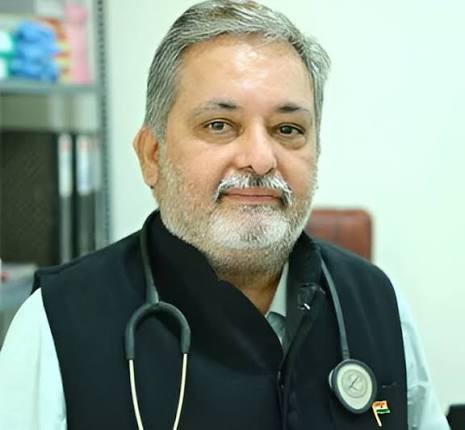
Specialty: Fissure
Experience: 20+ Years
Expertise: Fissure Laser Treatment evaluation, treatment planning, and patient follow-up care.
The treatment technique depends on the findings during examination.
In selected patients, the surgeon may:
The procedure is generally performed under appropriate anaesthesia.
Many suitable patients may be able to undergo treatment as a day-care procedure, depending on their medical condition and the procedure performed.
No.
Many acute fissures can heal without a procedure.
Laser treatment or another intervention is generally considered only when clinically justified.
The doctor may recommend a different treatment depending on:
Choosing the correct patient is often more important than choosing a particular technology.
Different treatment options have different roles.
| Treatment | Commonly considered for |
|---|---|
| Fibre, fluids and bowel regulation | Acute or mild fissure |
| Prescription medicines | Persistent fissure symptoms |
| Botox | Selected chronic fissures |
| Laser/minimally invasive treatment | Selected chronic or recurrent fissures |
| Surgical treatment | Chronic fissures requiring definitive intervention |
No treatment should be selected based solely on advertising or the word “laser.”
A surgeon should first determine why the fissure is not healing.
Lateral internal sphincterotomy is an established surgical treatment used in appropriately selected patients with chronic anal fissure.
During the procedure, a controlled portion of the internal anal sphincter is divided to reduce excessive sphincter pressure and allow the fissure to heal.
However, because treatment involves the sphincter muscle, careful patient selection is important.
The surgeon will consider factors such as:
The appropriate procedure should always be individualized.
Laser fissure treatment is minimally invasive and generally causes significantly less pain than traditional surgery. Most patients experience improved comfort after the procedure and recover more quickly.
Patients with chronic fissures, severe pain, recurrent fissures, or fissures that do not heal with medications are often suitable candidates after specialist evaluation.
The procedure is usually completed within a short duration. Most patients are discharged on the same day depending on their overall condition and recovery.
Recovery is generally faster than conventional surgery. Many patients resume routine activities within a few days while complete healing varies depending on individual health and post-treatment care.
Treatment costs depend on the severity of the condition, investigations, hospital stay, and insurance coverage. A personalized estimate is provided after consultation.
Eligible insurance policies and cashless facilities may cover treatment. Our insurance desk assists patients with approvals and documentation.
Persistent anal fissure pain should not interfere with your daily life. Early diagnosis and timely treatment can help prevent complications and provide lasting relief. If you're looking for the Best Fissure Laser Treatment in Hyderabad, visit Epic International Hospitals, Banjara Hills, where experienced specialists provide advanced laser treatment with personalized care. Book your consultation today and take the first step toward a comfortable, pain-free recovery.
Procedures for Fissure Laser Treatment will appear here after CMS publishing.
No related blog articles are linked to this treatment yet.
Connect with our care team for specialist consultation, diagnosis support, and treatment planning.
This information is for general awareness only and should not replace medical consultation. Please consult a qualified doctor for diagnosis and treatment advice.