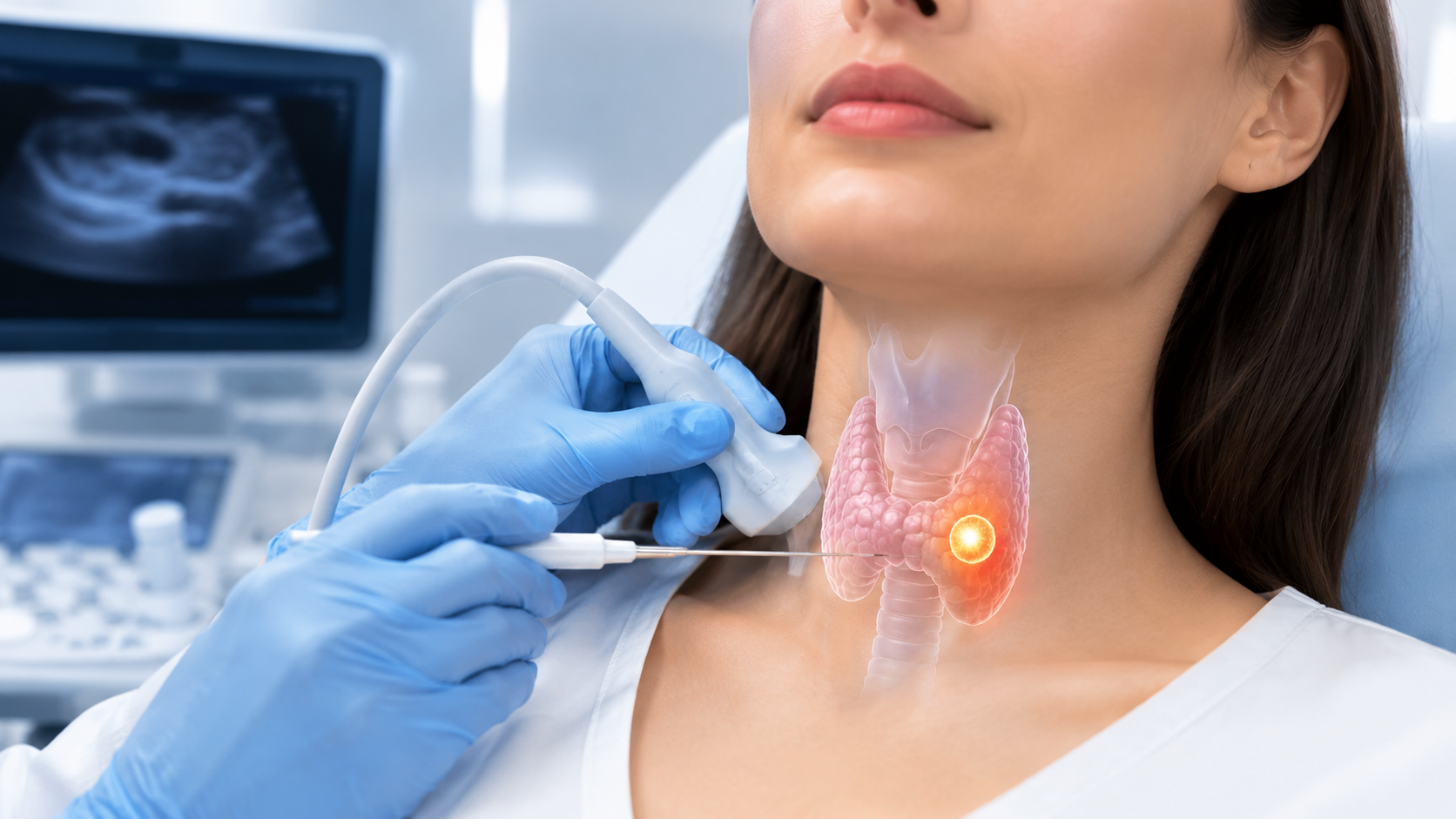
Thyroid Nodule Treatment
- 25-09-2026
- Article


Endocrinology
Hormones work quietly behind the scenes, helping regulate your energy, metabolism, body weight, sleep, mood, reproductive health, growth, and many other essential functions.
Because hormonal changes can develop gradually, many people mistake their symptoms for stress, lack of sleep, an unhealthy lifestyle, or simply getting older.
But persistent fatigue, unexplained weight changes, irregular periods, changes in mood, or unusual swelling may sometimes indicate an underlying endocrine or hormonal disorder.
Understanding these early signals can help you know when it may be time to consult an endocrinologist.
Endocrinology is the branch of medicine concerned with hormones and the glands that produce them.
The endocrine system includes important glands and organs such as:
When hormone production becomes too high, too low, or poorly regulated, different parts of the body can be affected.
An endocrinologist evaluates these hormonal changes, identifies their underlying cause, and develops an appropriate treatment plan.
Everyone feels tired occasionally. However, persistent fatigue despite getting adequate sleep should not always be ignored.
Hormonal conditions involving the thyroid, adrenal glands, pituitary gland, or metabolism may sometimes contribute to:
If tiredness continues for several weeks or begins affecting your daily activities, medical evaluation may help identify the underlying cause.
Your body weight is influenced by food intake and physical activity, but hormones also play an important role in metabolism.
Unexpected weight gain may sometimes be associated with hormonal conditions such as an underactive thyroid or other metabolic abnormalities.
Similarly, unexplained weight loss despite eating normally may also require investigation.
Seek medical advice when weight changes are significant, persistent, or accompanied by symptoms such as fatigue, palpitations, sweating, menstrual changes, or changes in appetite.
Do you frequently feel cold when everyone else is comfortable?
Or do you experience excessive heat, sweating, or intolerance to warm environments?
The thyroid gland helps regulate the body's metabolism and temperature. Changes in thyroid hormone levels can therefore affect how your body responds to heat and cold.
Other accompanying symptoms may include:
Persistent symptoms should be evaluated rather than treated only as environmental sensitivity.
Occasional changes in menstrual cycles can happen because of stress, travel, changes in weight, or lifestyle factors.
However, repeatedly irregular periods may sometimes indicate an underlying hormonal imbalance.
Conditions such as Polycystic Ovary Syndrome (PCOS) can affect hormone levels and menstrual cycles.
Women with PCOS may experience:
Early evaluation can help determine whether PCOS or another hormonal condition is responsible.
Hair naturally goes through growth and shedding cycles.
However, sudden or excessive hair loss may sometimes have a hormonal connection.
Thyroid disorders and certain hormonal imbalances can contribute to changes in hair texture, thinning, or increased shedding.
Women experiencing excessive facial hair together with acne or irregular periods may also need evaluation for hormonal conditions such as PCOS.
Hormones can influence the nervous system and may affect:
Persistent irritability, difficulty sleeping, unusual anxiety, poor concentration, or unexplained emotional changes can have many possible causes.
When these symptoms occur together with weight changes, menstrual disturbances, fatigue, temperature intolerance, or other physical symptoms, a hormonal assessment may be appropriate.
The thyroid gland is located at the front of the neck.
A visible swelling, enlargement, or lump in this area should be medically evaluated.
Possible thyroid-related conditions include:
Many thyroid nodules are benign, but proper examination and appropriate tests are important to determine their nature and whether treatment is required.
Hormonal changes can sometimes influence your cardiovascular system.
For example, abnormal thyroid hormone levels may be associated with:
Because heart-related symptoms can also have other causes, persistent or significant palpitations should be professionally evaluated.
Important: Seek urgent medical care for severe chest pain, significant breathing difficulty, fainting, or other emergency symptoms.
Hormonal imbalance may sometimes show up through changes in your skin.
Possible signs can include:
Skin symptoms alone do not necessarily indicate an endocrine disorder, but when they occur together with menstrual, weight, hair, or energy changes, further evaluation may be helpful.
Obesity is complex and cannot always be explained simply by eating too much or exercising too little.
Genetics, sleep patterns, medications, metabolism, lifestyle, and hormones can all influence body weight.
People who experience persistent weight gain despite reasonable lifestyle changes may benefit from specialist evaluation.
An endocrinologist can investigate potential hormonal or metabolic contributors and recommend a medically appropriate weight-management plan.
Hormones also play an important role in maintaining muscles and bones.
Problems involving the thyroid, parathyroid, adrenal, or other endocrine glands can sometimes affect:
Repeated fractures, persistent weakness, unexplained calcium abnormalities, or bone-related concerns may require endocrine evaluation depending on the individual case.
One of the challenges with endocrine disorders is that their symptoms can overlap with many everyday problems.
A person may initially experience only:
Individually, these symptoms may appear minor.
But when several occur together or persist over time, investigating hormone levels may help uncover the actual cause.
Diagnosis usually begins with a detailed medical history and clinical examination.
Depending on the symptoms, your doctor may recommend investigations such as:
Not every patient requires every test.
Testing should be selected according to symptoms, medical history, physical examination, and the suspected hormonal condition.
Treatment depends entirely on the underlying diagnosis.
Management may include:
There is no single treatment for every hormonal imbalance, which is why accurate diagnosis is important before starting therapy.
Consider consulting an endocrinologist if you experience persistent or unexplained:
Symptoms alone cannot confirm an endocrine disorder. A specialist evaluation helps determine whether hormones are involved and what treatment, if any, is needed.
At EPIC International Hospitals, Banjara Hills, Hyderabad, endocrinology care focuses on specialist-led evaluation and individualized treatment planning for hormone and gland-related conditions.
Our endocrinology services include assessment and management of conditions involving:
Treatment is planned according to the patient's symptoms, diagnosis, test results, and individual health requirements.
Hormonal problems do not always begin with severe symptoms.
Sometimes the first signals are everyday problems such as tiredness, unexpected weight changes, irregular periods, hair fall, or changes in sleep and mood.
When these symptoms persist, getting evaluated early can help identify the cause and allow appropriate treatment to begin sooner.
Consult an endocrinologist at EPIC International Hospitals, Banjara Hills, Hyderabad for specialist evaluation of thyroid, hormonal, PCOS, obesity, pituitary, adrenal, and other endocrine-related concerns.
EPIC International Hospitals
2nd Floor, B/1, 8-2-277, Road No. 2, BNR Colony, Venkat Nagar, Banjara Hills, Hyderabad – 500034
Call: +91 81212 00400 | +91 81218 00400