Thyroid Nodule Treatment
- 25-09-2026
- Article


Discover 7 common signs of hormonal imbalance, possible causes, diagnostic tests and treatment options. Learn when to seek endocrine care in Hyderabad.
Have you been feeling tired even after sleeping well? Are you noticing unexpected weight changes, increased hair fall or irregular menstrual periods? These changes can happen for several reasons, but sometimes they may be associated with an underlying hormonal disorder.
Hormones are chemical messengers that help regulate metabolism, energy levels, blood sugar, growth, reproduction and many other important body functions. Even small changes in certain hormone levels can have noticeable effects on health.
Understanding the signs of hormonal imbalance can help you recognize when symptoms deserve medical attention.
In this article, we explain seven possible warning signs, common causes, diagnostic tests and available treatment approaches, including when to seek specialist advice.
Hormonal imbalance occurs when the body produces too much or too little of a particular hormone, or when the body's tissues do not respond normally to hormonal signals.
The endocrine system consists of hormone-producing glands, including the thyroid, pancreas, pituitary gland, adrenal glands, parathyroid glands, ovaries and testes.
Each gland has a different function. For example, thyroid hormones influence metabolism, insulin helps regulate blood glucose, and cortisol plays a role in the body's response to stress.
These processes are studied in Endocrinology, the branch of medicine concerned with hormones and hormone-related diseases.
Hormone levels naturally fluctuate throughout life. Puberty, pregnancy, menstrual cycles and menopause all involve hormonal changes. Not every change indicates a medical condition.
However, persistent symptoms, unexpected laboratory results or significant changes in everyday health may require further evaluation.
The symptoms of hormonal disorders depend on which hormones are affected. Some are subtle, while others interfere with everyday activities.
A noticeable change in body weight without an obvious reason can sometimes be linked to an endocrine condition.
For example, an underactive thyroid, known as hypothyroidism, may contribute to modest weight gain. An overactive thyroid, or hyperthyroidism, can cause unintended weight loss.
Conditions affecting cortisol or insulin activity may also influence weight and metabolism.
However, body weight is affected by diet, physical activity, medications, sleep and many other factors. Weight changes alone cannot confirm a hormonal problem.
If your weight changes unexpectedly or continues to fluctuate, a doctor can help determine whether further testing is appropriate.
Occasional tiredness is common, particularly after inadequate sleep or physical exertion.
Persistent fatigue that does not improve with adequate rest may need medical attention.
Certain thyroid disorders, diabetes and adrenal conditions can affect energy levels. Fatigue may also result from anemia, nutritional deficiencies, sleep disorders, infections or other medical conditions.
A proper evaluation is important because treatments differ depending on the cause.
Hair thinning, dry skin and changes in hair texture can sometimes occur with thyroid disorders.
In some women, hormonal conditions associated with increased androgen activity may contribute to scalp hair thinning, acne or increased facial hair growth.
These symptoms are not always hormonal. Nutritional factors, genetics, dermatological conditions and medications may also play a role.
When hair or skin changes are persistent or accompanied by other symptoms, medical evaluation can help identify possible causes.
A menstrual cycle can vary naturally, but persistent irregularity may be associated with hormonal or reproductive health conditions.
Potential causes include:
Polycystic ovary syndrome (PCOS)
Thyroid disorders
Elevated prolactin levels
Pregnancy
Perimenopause
Significant weight changes or excessive exercise
PCOS may also be associated with acne, increased facial hair, difficulty with ovulation and insulin resistance.
An appropriate assessment may involve medical history, clinical examination and selected blood tests.
Feeling unusually thirsty and needing to urinate more frequently than normal can be signs of elevated blood glucose.
These symptoms may occur in diabetes, especially when accompanied by fatigue, increased hunger or unexplained weight loss.
A doctor may recommend blood glucose testing or an HbA1c test to assess glucose regulation.
If excessive thirst and frequent urination occur with vomiting, abdominal pain, deep or rapid breathing, severe weakness or confusion, urgent medical evaluation is necessary.
Hormonal conditions may contribute to changes in mood, sleep and concentration.
For example, an overactive thyroid may be associated with nervousness, restlessness, palpitations and difficulty sleeping.
Other endocrine conditions can affect mental and physical well-being.
However, anxiety, poor sleep and mood changes have many possible explanations. They should not automatically be attributed to hormonal imbalance.
A medical evaluation is especially useful when these symptoms occur alongside physical changes such as unexplained weight loss, tremors or abnormal heart rate.
Thyroid hormones help regulate how the body uses energy.
People with hypothyroidism may feel unusually cold, while those with hyperthyroidism may experience heat intolerance or excessive sweating.
These symptoms may occur alongside fatigue, weight changes, bowel habit changes or differences in heart rate.
If such symptoms persist, thyroid function testing may be considered based on clinical findings.
Hormonal disorders can develop for several reasons. Some are related to autoimmune conditions, gland dysfunction, genetic factors or medication effects.
The thyroid gland produces hormones that influence metabolism and many essential body functions.
Hypothyroidism occurs when thyroid hormone production is insufficient. Hyperthyroidism occurs when excessive thyroid hormone is produced.
Common causes include autoimmune thyroid disease, thyroid inflammation and certain medications.
Insulin is produced by the pancreas and helps regulate blood glucose.
Insulin resistance occurs when cells respond less effectively to insulin. It is commonly associated with type 2 diabetes and certain metabolic conditions.
Type 1 diabetes has a different underlying mechanism, usually involving autoimmune destruction of insulin-producing cells.
PCOS is a common hormonal and metabolic disorder affecting people of reproductive age.
It may involve irregular ovulation, increased androgen activity and insulin resistance.
The condition can affect menstrual regularity, skin health and fertility.
The pituitary gland regulates several other endocrine glands, while the adrenal glands produce hormones involved in blood pressure, metabolism and stress response.
Disorders affecting these glands can cause a wide variety of symptoms and may require specialist investigations.
Certain medications, including glucocorticoids and some hormone-related treatments, can influence hormone production or activity.
Other factors may include previous gland surgery, radiation treatment, chronic illness and inherited conditions.
Endocrine conditions affect different glands and body systems. Some are common and can be managed with ongoing medical care, while others require specialist investigations.
An underactive thyroid may cause fatigue, cold intolerance, constipation, dry skin and weight gain.
Diagnosis usually involves thyroid function tests, including TSH and free T4.
Treatment often includes prescribed thyroid hormone replacement, with follow-up tests to assess dosage.
An overactive thyroid may cause palpitations, tremors, sweating, anxiety and unintended weight loss.
Treatment depends on the cause and may include medication, radioactive iodine or surgery.
Diabetes is a metabolic condition characterized by elevated blood glucose.
Depending on the type, management may include nutrition and activity guidance, medications, glucose monitoring and insulin treatment.
PCOS and other reproductive endocrine conditions may affect menstrual cycles, skin, metabolism and fertility.
Treatment depends on the individual's symptoms, metabolic health and reproductive goals.
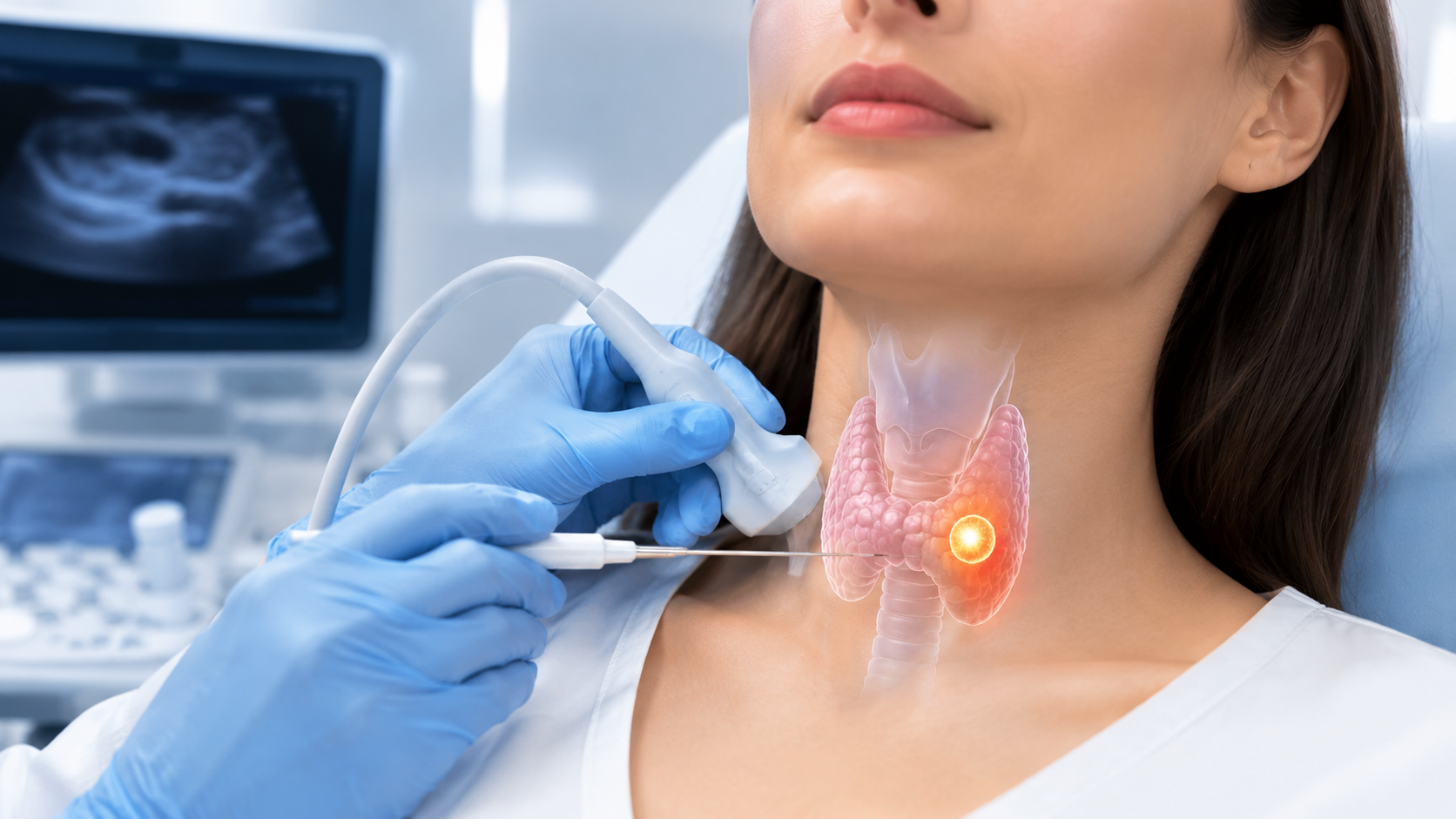
Thyroid nodules are lumps that develop within the thyroid gland. They are common, and most are benign.
Many nodules cause no noticeable symptoms and are discovered during ultrasound examinations or routine medical assessments.
Larger nodules may cause visible neck swelling, pressure or difficulty swallowing.
Learn more about thyroid nodules, their symptoms, diagnosis and treatment options at EPIC International Hospitals.
Not all thyroid nodules require surgery. Some need monitoring, while selected benign nodules may be suitable for minimally invasive procedures after appropriate evaluation.
There is no single blood test that identifies every hormonal disorder.
Diagnosis begins with understanding the patient's symptoms, medical history, medications and physical examination findings.
Depending on the suspected condition, a doctor may recommend the following investigations.
TSH and free T4 are commonly used to evaluate thyroid function. Additional tests may be needed depending on the results.
These tests help assess glucose levels and identify diabetes or prediabetes when appropriate.
Tests for prolactin, cortisol, reproductive hormones and other hormones may be requested when clinically indicated.
Some tests must be collected at specific times or interpreted in relation to menstrual cycles, medications or other factors.
Ultrasound is commonly used to examine the thyroid gland and identify the size and characteristics of thyroid nodules.
Other imaging tests, such as MRI or CT, may be required for selected pituitary or adrenal conditions.
Diagnostic investigations should be selected according to clinical need rather than ordering a broad hormone panel without a clear reason.
You can learn about the hospital's listed diagnostic services in Hyderabad for more information about available investigations.
Fine-needle aspiration cytology (FNAC) is used to examine cells from selected thyroid nodules.
Whether FNAC is needed depends on ultrasound risk features, nodule size, clinical history and applicable guidelines.
Read EPIC's detailed guide on when a thyroid nodule needs FNAC and how TI-RADS is used.
Treatment is based on the underlying medical condition, laboratory findings, symptoms and overall health.
Certain endocrine disorders require medication to replace missing hormones, control excessive hormone production or improve metabolic regulation.
For example, hypothyroidism is commonly treated with thyroid hormone replacement.
A balanced diet, regular physical activity, adequate sleep and appropriate weight management can support metabolic health.
However, lifestyle changes cannot replace necessary medication for conditions such as type 1 diabetes or significant hormone deficiencies.
Some endocrine conditions require long-term follow-up, repeat laboratory tests and medication adjustments.
Monitoring helps assess treatment response and identify possible complications.
Some patients with benign thyroid nodules may be considered for minimally invasive procedures such as radiofrequency ablation or microwave ablation.
These procedures use targeted thermal energy to treat selected nodules while aiming to preserve surrounding thyroid tissue.
They are not suitable for all nodules. Appropriate evaluation, confirmation of benignity when required and specialist assessment are essential.
Surgery may be recommended for certain suspicious or malignant thyroid nodules, significant compressive symptoms, or other specific endocrine conditions.
Treatment selection should be based on the diagnosis rather than a general preference for or against surgery.
An endocrinologist is a medical specialist trained to diagnose and manage disorders affecting hormones and endocrine glands.
Consider seeking medical advice if you experience persistent symptoms such as:
Unexplained weight gain or weight loss
Persistent tiredness or unusual weakness
Excessive thirst and frequent urination
Abnormal thyroid test results
Irregular menstrual cycles
Unexplained hair or skin changes
Persistent heat or cold intolerance
Difficult-to-control blood glucose
Symptoms suggesting a pituitary or adrenal disorder
Patients in Hyderabad looking for more information about hormone-related conditions can read the Endocrinology in Hyderabad specialty overview at EPIC International Hospitals.
The appropriate clinician and referral pathway depend on the symptoms and suspected diagnosis.
Not every endocrine disorder can be prevented. Autoimmune diseases, inherited conditions and certain gland abnormalities may occur regardless of lifestyle.
However, healthy habits can support metabolic health and reduce some preventable risks.
Helpful measures include:
Eating a balanced diet
Maintaining regular physical activity
Getting sufficient sleep
Avoiding tobacco
Attending recommended health screenings
Managing existing medical conditions
Taking prescribed medication consistently
Avoiding unnecessary hormone supplements
Do not start hormone replacement medication or supplements without appropriate medical advice.
Hormone-related symptoms can involve multiple body systems, so an accurate diagnosis is important before treatment decisions are made.
EPIC International Hospitals provides information about endocrinology, diagnostic investigations and thyroid-related treatment pathways through its website.
Patients with thyroid nodules may need thyroid function testing, ultrasound, FNAC or other investigations before a treatment plan can be recommended.
Selected benign thyroid nodules may be considered for minimally invasive treatment, depending on their size, characteristics, symptoms and specialist assessment.
For information about the hospital's departments, visit EPIC International Hospitals' specialties.
Patients should confirm the availability of the appropriate specialist and required services when arranging a consultation.
Possible symptoms include unexplained weight changes, persistent fatigue, irregular menstrual periods, hair thinning, excessive thirst and temperature intolerance. These symptoms can also have non-hormonal causes.
Certain endocrine disorders can contribute to weight gain, but sudden weight changes may have several causes, including fluid retention, medications and other medical conditions.
Yes. Thyroid disorders and conditions involving androgen activity may contribute to hair thinning. However, nutritional deficiencies, genetics and scalp disorders can also cause hair loss.
The appropriate test depends on the suspected condition. Doctors may request thyroid function tests, glucose tests, prolactin, cortisol or other hormone investigations when indicated.
Healthy habits can support endocrine health, but some conditions require medication or other treatment. Lifestyle changes should not replace prescribed hormonal therapy.
Treatment duration varies. Some conditions improve after appropriate short-term management, while others, such as hypothyroidism or diabetes, may require long-term care.
Not necessarily. Many thyroid nodules occur in people with normal thyroid hormone levels. Certain nodules can produce excessive thyroid hormone, but most do not.
No. Many nodules can be monitored. Some need biopsy, and selected benign nodules may be treated with minimally invasive techniques. Surgery is appropriate for certain clinical indications.
Consider consultation if you have persistent symptoms, abnormal hormone tests, difficult-to-manage diabetes or a suspected disorder of the thyroid, pituitary, adrenal or other endocrine glands.
Stress affects physiological hormone responses, including cortisol regulation. However, persistent symptoms should not automatically be attributed to stress without considering other causes.
Hormones are essential for regulating energy, metabolism, blood sugar, growth and reproductive health. Changes in hormone production or function may affect several aspects of everyday life.
Symptoms such as persistent tiredness, unexplained weight changes, irregular menstrual cycles or excessive thirst deserve attention when they continue or worsen.
Because similar symptoms can occur in many medical conditions, accurate diagnosis is more useful than self-diagnosis or unnecessary hormone testing.
Timely medical evaluation and individualized treatment can help many people with endocrine disorders manage their symptoms and maintain better long-term health.
For information about available endocrinology and thyroid-related services, contact EPIC International Hospitals.
EPIC International Hospitals
Jubilee Hills, Hyderabad
Phone: +91 81212 00400 | +91 81218 00400
Website: https://www.epicinternationalhospitals.com/
Medical Disclaimer: This article is for general educational purposes and is not a substitute for professional medical advice, diagnosis or treatment. Consult a qualified healthcare professional for personalized guidance.