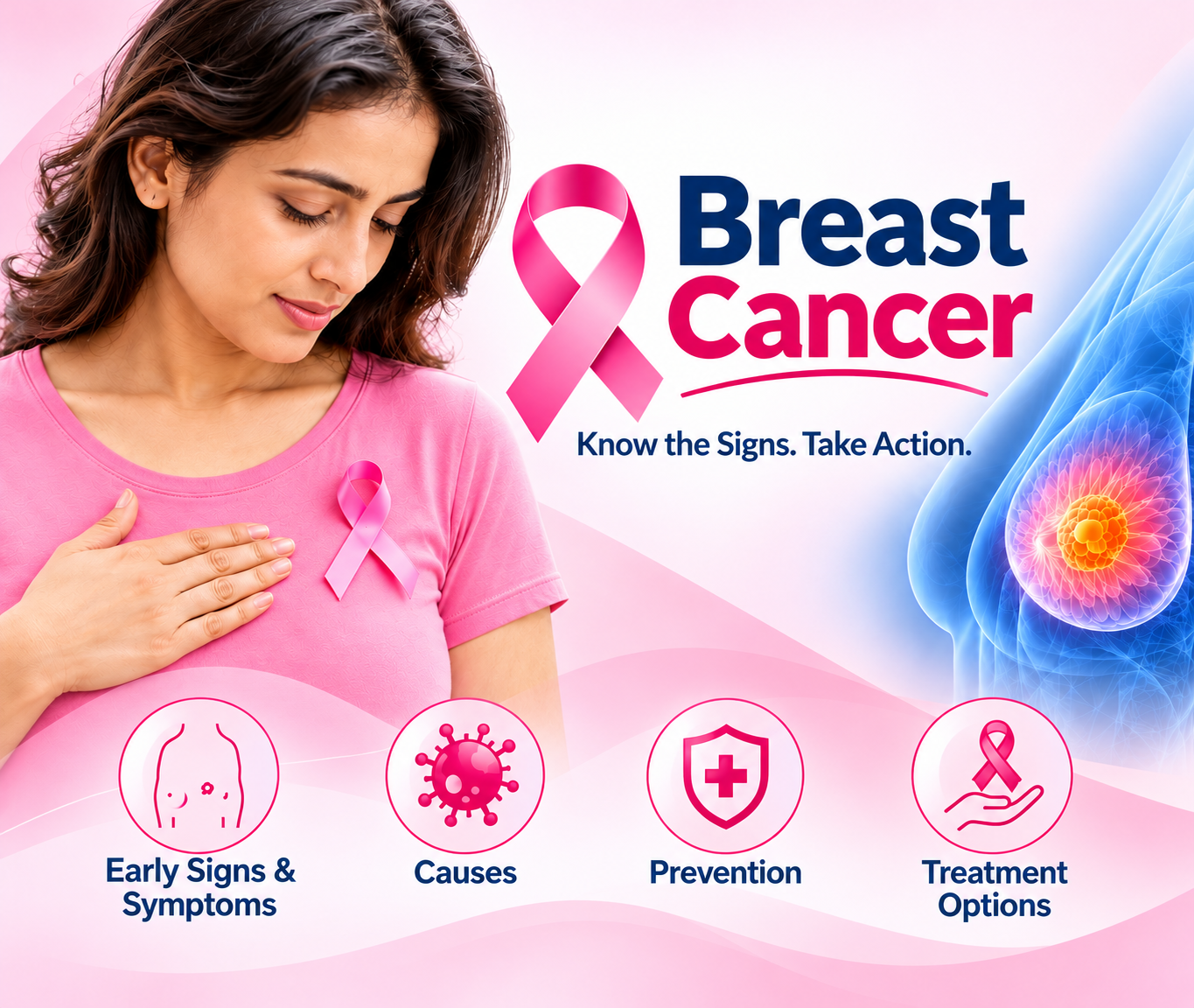
Breast Cancer: Early Signs, Symptoms, Causes, Prevention and Treatment Options
- 31-10-2026
- Article


Learn 10 ways to help prevent varicose veins, improve leg circulation and recognize early symptoms. Expert guidance from EPIC Hospitals, Hyderabad.
How to Prevent Varicose Veins? 10 Simple Tips for Healthy Legs
Do your legs feel heavy, tired or swollen after a long day? Have you noticed visible blue or purple veins appearing on your legs?
These symptoms are often associated with varicose veins, a common condition that affects the circulation of blood in the legs.
While varicose veins cannot be completely prevented, there are some lifestyle habits that can improve blood circulation, reduce discomfort associated with varicose veins and lower the risk of worsening symptoms of varicose veins.
In this blog post, we will discuss what causes varicose veins and provide 10 practical ways to maintain healthy legs.
What Are Varicose Veins?
Varicose veins are a condition of the veins in which they become swollen and twisted due to blood that is not properly flowing through them. This can lead to symptoms like pain, swelling and discoloration of the skin in the affected area. The causes of varicose veins can include factors like genetics, age, pregnancy and obesity.
Varicose veins are veins that are swollen and twisted and are most common in the legs.
The veins have tiny one-way valves that allow the blood to flow upward towards the heart. However, if these valves become weak or damaged, the blood can flow backward into the veins, leading to their enlargement.
Varicose veins may cause:
Visible, twisted or bulging veins
Leg pain or heaviness
Swelling around the ankles
Burning or itching sensations
Nighttime leg cramps
Skin discoloration in advanced cases
Some people may have visible varicose veins without experiencing any discomfort from them.
What causes varicose veins?
Several factors can increase the risk of developing varicose veins, including:
Family History: Genetics plays an important role in the development of varicose veins.
Prolonged Standing or Sitting: Prolonged standing or sitting increases the pressure within the leg veins.
Obesity: Excess body weight can place more pressure on the veins.
Pregnancy: The hormonal changes that happen during pregnancy can lead to an increase in blood volume, which can place extra pressure on the pelvic veins, leading to varicose veins.
Age: The walls of veins and their valves can weaken with age.
Physical inactivity can lead to a reduction in the effectiveness of the calf muscles in returning blood toward the heart.
10 Simple Tips to Help Prevent Varicose Veins
1. Walk Regularly
One of the simplest methods of promoting healthy blood circulation is by walking.
When you walk, the calf muscles in your legs contract to push the blood from your legs towards your heart.
What you can do: Aim for around 30 minutes of walking each day, based upon your fitness level. Even short walks during the day can be helpful.
2. Avoid Standing for Long Hours
People that work in professions like teaching, nursing, retail, security and hospitality are often required to stand for several hours during their shift.
The remaining stationary for too long can increase the pressure within the veins of the legs.
What you can do: Take regular movement breaks, shift your weight between your feet and perform gentle calf raises whenever possible.
3. Avoid Sitting Continuously
Sitting for extended periods can lead to a reduction in the movement of blood throughout the legs.
Office employees, drivers and people who work from home should take note of their sitting habits.
What you can do: Stand up and walk around every 30-60 minutes. Move your ankles while seated to improve circulation.
4. Keep Your Body Weight in Chec
Being overweight can put more strain on your legs' veins.
Maintaining a healthy weight may help lessen varicose vein symptoms and enhance circulation.
What you can do is maintain an active lifestyle, eat a balanced food, and strive for a healthy weight.
5. Raise Your Legs While You're Sleeping
Leg elevation can help decrease edema and heaviness by momentarily lowering pressure in the veins in the legs.
What you can do: Several times a day, lie down and elevate your legs above your heart for a little while.
6. When advised, take into account compression stockings.
By applying progressive pressure to the legs, medical compression stockings promote blood flow and lessen edema.
For those with certain risk factors or symptomatic venous illness, they might be advised.
Important: Varicose veins that already exist cannot be cured with compression stockings. Speak with a medical expert about the proper size and compression level, especially if you have artery circulation issues.
7. Work Your Calf Muscles
Your calf muscles facilitate the upward flow of blood from your legs by acting as a natural pump.
Venous circulation depends on regular muscle action.
Easy exercises consist of:
Rotations of the ankle
Heel lifts
Toe lifts
Cycling, Swimming, and Walking
Select workouts that are suitable for your physical state.
8. Eat a Balanced, Healthful Diet
Both overall cardiovascular health and healthy weight management are supported by a balanced diet.
Additionally, foods high in dietary fiber may lessen the need for excessive straining and prevent constipation.
What you can do: Make sure your daily diet includes fruits, vegetables, whole grains, legumes, nuts, and enough water.
Limiting fluid-related edema may also be achieved by cutting back on excessive salt consumption.
There is no one food or supplement that has been shown to get rid of varicose veins.
9.Choose Comfortable Footwear and Clothing
Shoes that let your ankles work in a natural way will make the calf muscles more effective.
Tight-fitting clothing around your waist or legs can lead to discomfort.
What you can do: Select footwear that is comfortable to wear. If wearing excessively tall high-heeled shoes interferes with your ability to move easily, reduce how long you wear them. Wear clothing that allows for effective blood flow throughout your body.
10.Watch for Early Signs and Seek Medical Advice
Get checked if leg pain or swelling persists, skin changes develop, or veins become more visible.
A specialist may suggest a Venous Doppler ultrasound to check blood flow and find poorly working vein valves.
For some patients, treatment can ease symptoms and lower the risk of complications.
Can Varicose Veins Be Completely Prevented?
Not always.
Factors such as genetics, age, pregnancy, and hormonal changes can increase the likelihood of developing varicose veins, even in otherwise healthy individuals.
However, staying active, managing weight, avoiding prolonged inactivity, and seeking medical advice when symptoms develop can help maintain better vein health.
Prevention-focused habits are valuable, but they cannot reverse damaged vein valves or guarantee that varicose veins will not develop.
When Should You Consult a Doctor?
Consult a healthcare professional if you experience:
- Persistent leg pain or heaviness
- Increasing ankle or leg swelling
- Enlarged or painful visible veins
- Skin darkening around the ankles
- Persistent itching or skin irritation
- Non-healing sores near the ankles
Sudden swelling or pain in one leg requires prompt medical assessment, as it may indicate a blood clot. Chest pain or sudden breathlessness necessitates emergency care.
What If You Already Have Varicose Veins?
Lifestyle changes may reduce discomfort, but established varicose veins sometimes require medical treatment.
Depending on the severity and the results of a Doppler ultrasound, treatment options may include:
- Endovenous Laser Treatment (EVLT): A minimally invasive procedure that uses laser energy to close an affected vein.
- Radiofrequency Ablation (RFA): This method uses controlled radiofrequency energy to close an incompetent vein.
- Medical Adhesive Closure:A selected vein may be closed using a specially designed medical adhesive.
- Sclerotherapy: A solution is injected into certain affected veins to help close them.
The most suitable treatment depends on the patient's symptoms, vein anatomy, medical history, and specialist evaluation.
Varicose Veins Consultation at EPIC International Hospitals, Hyderabad
At EPIC International Hospitals, our Interventional Radiology team evaluates varicose veins and discusses minimally invasive treatment options for eligible patients.
If you are experiencing persistent leg pain, swelling, heaviness, or visibly enlarged veins, a specialist consultation can help identify the underlying cause.
Dr. Balaji Patel Kola
Senior Interventional Radiologist
EPIC International Hospitals
Jubilee Hills, Hyderabad
Call: +91 81212 00400 | +91 81218 00400

