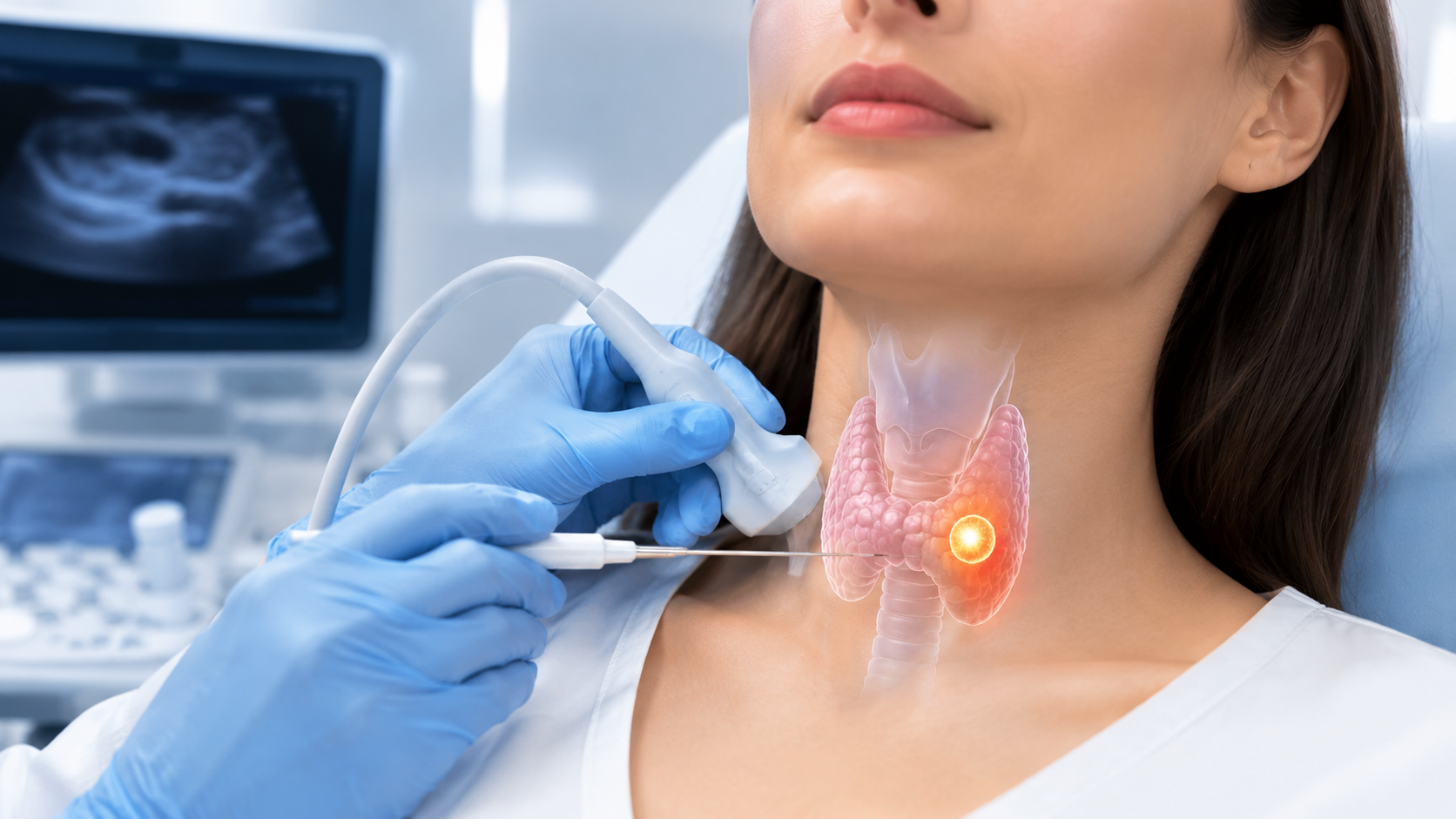
Thyroid Nodule Treatment
- 25-09-2026
- Article


Learn about common skin problems, hair fall causes, symptoms, prevention tips, and treatment options. Know when to consult a dermatologist.
Healthy Skin and Strong Hair Begin with Proper Care
Skin issues and hair loss are widespread concerns that affect both men and women. Lifestyle changes, stress, hormonal imbalances, nutrient deficiencies, exposure to environmental pollutants, and specific medical issues can all impact skin health and hair growth.
Although mild skin irritation and some daily hair shedding are typical, ongoing skin issues or significant hair loss may need medical evaluation. Knowing the causes and receiving appropriate treatment can contribute to healthier skin and hair.
Common Skin Issues
Our skin serves as a protective shield against environmental harm, infections, and toxic substances. Nevertheless, several factors can influence its appearance and health.
1. Acne and Breakouts
Acne develops when oil and dead skin cells clog hair follicles. It typically impacts the face, chest, shoulders, and back.
Common symptoms Pimples and blackheads Whiteheads
Redness and swelling Tender bumps Acne scars Treatment options may involve medicated creams, suitable skincare products, oral medications, or procedures recommended by a dermatologist.
2. Skin Tone and Dark Marks
Sun exposure, hormonal fluctuations, inflammation, and specific medications can lead to uneven skin tone, dark spots, and pigmentation.
Typical conditions include melasma, post-inflammatory hyperpigmentation, and pigmentation caused by sun exposure.
Depending on the cause and skin type, dermatologists may suggest sunscreen, topical medications, chemical peels, or certain laser treatments.
3. Dry Skin and Allergic Reactions to the Skin
Weather changes, harsh skincare products, eczema, or allergic reactions can cause dryness, itching, redness, and irritation.
Using mild cleansers, hydrating moisturizers, and any prescribed medications can assist in controlling symptoms.
4. Skin Infections Caused by Fungi
Fungal infections often occur in warm, moist areas of the body.
Symptoms may include Red or discolored patches Itching
Scaling or peeling Ring-shaped rashes Skin irritation Accurate diagnosis is crucial, as fungal infections demand different treatment than eczema or other inflammatory skin conditions.
Hair Loss: When to Worry?
It is typically normal to lose about 50 to 100 hairs each day.
However, noticeable thinning, a wider hair part, bald spots, or more shedding could signal an underlying issue.
Hair loss may occur gradually or abruptly, depending on the underlying cause.
Primary Reasons for Hair Loss
Reasons for Hair Loss
1. Stress and Lifestyle Changes
Physical or emotional stress, serious illness, surgery, or sudden weight loss may cause temporary excessive hair shedding called telogen effluvium.
2. Lack of Essential Nutrients
Lack of iron, protein, zinc, or specific vitamins can lead to hair loss. Nutritional supplements are appropriate when specific deficiencies or clinical requirements are detected.
3. Changes in Hormones
Conditions such as thyroid disorders, hormonal shifts during pregnancy, menopause, and polycystic ovary syndrome ( PCOS) can affect hair growth.
4. Hereditary Hair Loss
Hair loss in both men and women is often linked to genetic and hormonal influences.
Starting treatment early may help delay worsening and preserve current hair.
5. Scalp Issues
Conditions such as dandruff, scalp inflammation, fungal infections, and some autoimmune disorders may lead to scalp discomfort and hair loss.
6. Hair Styling and Chemical Treatments
Tight hairstyles, prolonged heat exposure, bleaching, and aggressive chemical treatments can lead to hair breakage or harm the hair follicles.
Effective Hair Fall Treatment Options
The best treatment option varies based on the root cause, how severe the condition is, your medical background, and the state of your scalp.
Medical Treatments
A dermatologist might suggest treatments like topical minoxidil or specific prescription drugs for particular kinds of hair loss.
Nutritional Management
Blood tests may be suggested if nutritional deficiencies, thyroid issues, or other medical conditions are suspected.
Addressing a detected deficiency may promote healthier hair growth.
PRP Therapy
Platelet-Rich Plasma ( PRP) therapy uses a concentrated solution of the patient’s own platelets, injected into targeted areas of the scalp.
It might assist certain individuals experiencing pattern hair loss, though outcomes differ from person to person, and the evidence continues to develop.
Hair Transplantation
Hair transplantation may be an option for appropriate candidates suffering from permanent pattern hair loss.
A specialist evaluation is required to assess eligibility and anticipate expected outcomes.
Tips for Healthy Skin and Hair
Adopting healthy daily routines can promote both skin and scalp well-being.
Apply a sunscreen that offers broad-spectrum protection and has an SPF of 30 or greater.
Select skincare products that match your skin type.
Eat a balanced diet that includes plenty of protein.
Steer clear of excessive use of harsh chemicals.
Employ mild techniques for washing and styling your hair.
Sleep enough and handle stress effectively.
Do not scratch or pick at skin lesions.
See a dermatologist prior to beginning any prescription treatments.
When to See a Dermatologist?
If you experience any of the following, consider seeing a dermatologist
- Sudden or significant hair loss
- Patchy areas of baldness
- Ongoing scalp itching, redness, or flaking
- Acne that is painful or leads to scarring
- Skin rashes that do n’t go away
- Unexpected changes in skin color
- Recurring skin infections
Get prompt medical evaluation if you experience rapidly spreading painful rashes, severe skin reactions, or sudden hair loss along with other worrying symptoms.
Can Skin Issues and Hair Loss Be Addressed?
Many skin conditions and causes of hair loss can be effectively treated with proper medical care.
However, not all conditions have a permanent cure, and treatment outcomes vary depending on the underlying cause.
Detecting conditions early, adhering to consistent treatment, and ensuring proper follow-up can help alleviate symptoms and avoid certain complications.
Conclusion Maintaining
healthy skin and hair involves more than just surface-level treatments. Ongoing acne, discoloration, scalp issues, and severe hair loss could indicate underlying health problems.
Seeing a qualified dermatologist can assist in determining the cause and creating a tailored treatment plan.
Begin your journey to healthier skin and hair with expert dermatological advice.
EPIC International Hospitals
Jubilee hills,Hyderabad – 500034
Call: +91 81212 00400 | +91 81218 00400
Website: www.epicinternationalhospitals.com