Experienced Specialists
Consult with doctors experienced in diagnosis and treatment planning.

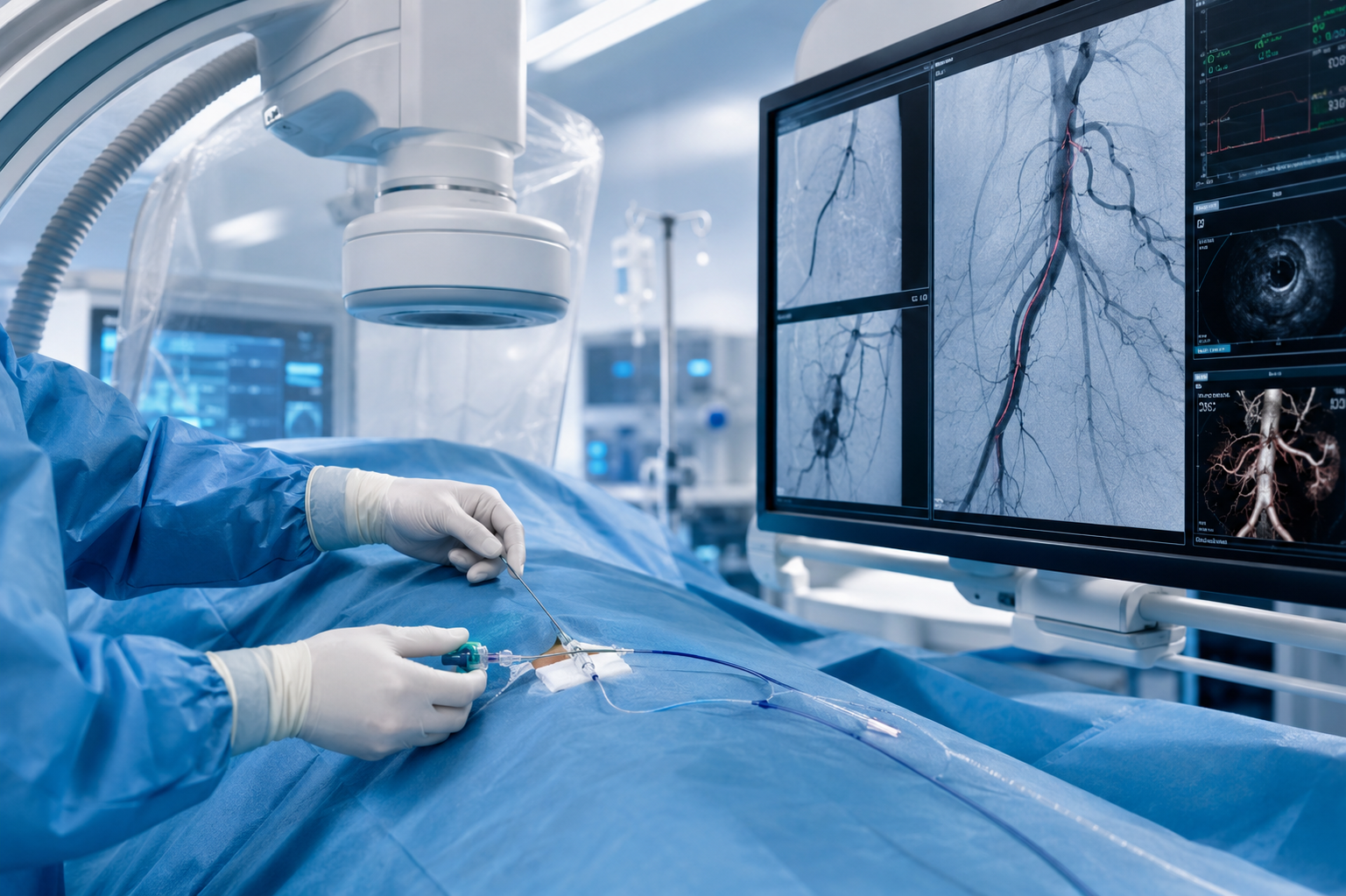
Interventional Radiology , also known as IR , is an advanced medical specialty that uses real-time imaging guidance such as ultrasound, CT, fluoroscopy and Doppler to diagnose and treat conditions inside the body with high precision. Instead of open surgery and large incisions, interventional radiologists perform minimally invasive image-guided procedures through a small skin entry point using fine needles, catheters or wires.
Consult with doctors experienced in diagnosis and treatment planning.
Investigation-led decisions through modern diagnostic pathways.
Selected procedures may be planned with efficient hospital stay strategy.
Insurance desk assistance for approvals and documentation workflow.
Interventional Radiology is provided through diagnosis-based care to improve symptoms, comfort, and long-term health outcomes with specialist guidance.Best for patients needing specialist-led diagnosis and treatment planning May include medication, minimally invasive care, procedures, or surgery depending on the diagnosis
Interventional Radiology at Epic International Hospitals, Banjara Hills, Hyderabad is managed through specialist consultation, clinical diagnosis, and patient-specific treatment pathways.
Care may include medication, minimally invasive procedures, or surgery when needed, along with insurance coordination and follow-up guidance.
Explore the major Interventional Radiology categories below. Each category groups the relevant treatment and procedure pages already published in the CMS.
Structured pathways for diagnosis, treatment planning, and procedure access.
Vascular therapies help to diagnose and treat any diseases of the blood vessels. Vascular therapies might be required for a reduction, blockage, leakage, or even reversed flow of the blood. Vascular disorders include peripheral artery disease, varicose veins, deep vein thrombosis, diabetic foot problems, non-healing ulcers, carotid artery disease, aneurysms, and clots in the blood.
Cancer Treatments include advanced medical procedures and therapies used to diagnose, control, remove or destroy cancer cells while helping patients maintain better quality of life. The right cancer treatment plan depends on the type of cancer, stage of disease, tumor location, overall health condition and diagnostic test results.
Women’s health treatments focus on diagnosing, treating, and preventing health problems related to the female reproductive system, pregnancy, hormones, breast health, menstrual health, menopause, and overall wellness. These treatments are important for women at every stage of life, from adolescence and reproductive age to pregnancy, motherhood, menopause, and later years.
Emergency Bleeding Treatments are life-saving interventional radiology procedures used to rapidly identify and control internal bleeding without the need for major surgery. These minimally invasive treatments are performed under image guidance using techniques such as angiography and embolization to locate the source of bleeding and stop it effectively.
Liver and biliary procedures are minimally invasive treatments used to diagnose and manage problems affecting the liver, bile ducts, gallbladder, and nearby drainage system. These procedures may be needed for liver tumors, bile duct blockage, jaundice, bile leakage, liver abscess, gallbladder infection, or complications caused by stones, cancer, infection, or injury.
Kidney and urinary treatments are used to diagnose and manage problems affecting the kidneys, ureters, bladder, and urine drainage system. These treatments may be needed when urine flow is blocked, infection is not settling, stones are causing obstruction, kidney function is affected, or there is bleeding, swelling, or abnormal growth in the urinary tract.
Drainage procedures are minimally invasive treatments used to remove abnormal fluid, pus, bile, urine, blood, or infected collections from the body. These procedures may be needed when fluid buildup causes pain, swelling, fever, infection, pressure on nearby organs, jaundice, urine blockage, or delayed recovery after surgery.
Dialysis and venous access procedures are used to create, maintain, or restore safe blood vessel access for patients who need hemodialysis or long-term intravenous treatment. Hemodialysis needs a reliable access point because blood must flow from the body to the dialysis machine, get filtered, and return back to the body.
Diagnostic procedures are medical tests used to find the exact cause of symptoms and confirm a disease before planning treatment. These procedures help doctors understand what is happening inside the body, whether it is a blockage, infection, tumor, bleeding, fluid collection, organ problem, or blood vessel disease.
Spine and pain management focuses on diagnosing and treating back pain, neck pain, nerve pain, slipped disc pain, sciatica, joint pain, and chronic pain conditions that affect daily life. Many spine-related pains happen due to disc problems, nerve compression, arthritis, spinal stenosis, muscle strain, injury, or age-related changes in the spine.
Peripheral Vascular Interventions are minimally invasive procedures used to treat blocked or narrowed arteries and veins outside the heart, commonly in the legs, to improve blood flow and relieve symptoms like pain, ulcers, and poor circulation.
Blood Clot (Thrombosis) treatment includes anticoagulant medicines (blood thinners), thrombolytic drugs to dissolve clots, and interventional procedures like thrombectomy or catheter-directed therapy to restore normal blood flow and prevent complications like stroke or embolism.
Interventional Cardiology commonly treats conditions such as Coronary Artery Disease, heart attacks (Myocardial Infarction), blocked or narrowed blood vessels, valvular heart diseases, congenital heart defects, peripheral artery disease, and blood clots using minimally invasive catheter-based procedures.
Interventional Radiology is managed through specialist evaluation, diagnosis-led planning, and patient-friendly treatment pathways at Epic International Hospitals.
The goal is to confirm the condition early, understand severity, and choose the right medical, minimally invasive, or surgical option based on clinical findings.
|
Interventional Radiology includes a wide range of minimally invasive, image-guided procedures. Patients may be referred to an Interventional Radiologist based on their symptoms, diagnosis, or when they need advanced treatment without open surgery. Patients may need an IR consultation if they have:
|
|
The reasons depend on the related illnesses. Many patients are referred to Interventional Radiology for stenosis and occlusion of blood vessels, venous reflux, thrombosis, tumors and nodules, organ hypertrophy, abscess, trauma and complications of hematological malignancy. IR can be used for scheduled and emergency treatment.
The common risk factors are: old age, family history, smoking, diabetes, high blood pressure, obesity, long standing job, pregnancy, previous surgeries, cancer, kidney disease, liver disease, blood clotting problems, injuries and lack of physical activity.
If we ignore the disease things can get really bad. For example if vascular disease is not treated it can cause pain, swelling, sores, bleeding, damage to organs or even a sudden trip to the hospital depending on whats wrong.
Procedures like IR are usually not very invasive. Like any medical procedure there are some risks. Some risks related to the procedure include pain where the doctor inserted the thing, bruising, bleeding, infection reactions to the contrast dye, injury to blood vessels, clotting, fever feeling uncomfortable for a bit or needing another treatment. Some patient info from CIRSE says that complications like bleeding or infection are usually not a deal, for certain IR procedures but the risks can vary depending on the procedure and the patients condition.
You should see an interventional radiologist when symptoms are continuing despite medicines, when surgery has been advised but you want to know whether a minimally invasive option is possible, or when your doctor recommends image-guided diagnosis or treatment.
Seek urgent medical care if you have sudden severe pain, sudden leg swelling, breathlessness, uncontrolled bleeding, stroke-like symptoms, severe abdominal pain, high fever, rapidly increasing swelling, or a wound/ulcer that is not healing.
Diagnosis starts with consultation, medical history, physical examination and review of previous reports. Depending on the condition, the doctor may advise blood tests, ultrasound, colour Doppler, CT scan, MRI, angiography, venography or image-guided biopsy. Interventional radiologists use imaging to locate the exact disease area and plan the safest access route before treatment.
Interventional Radiology offers many advanced treatment options, including:
First, the patient meets the interventional radiologist for consultation and report review. The doctor explains the condition, available options, benefits, risks and whether the procedure can be done as daycare or requires admission.
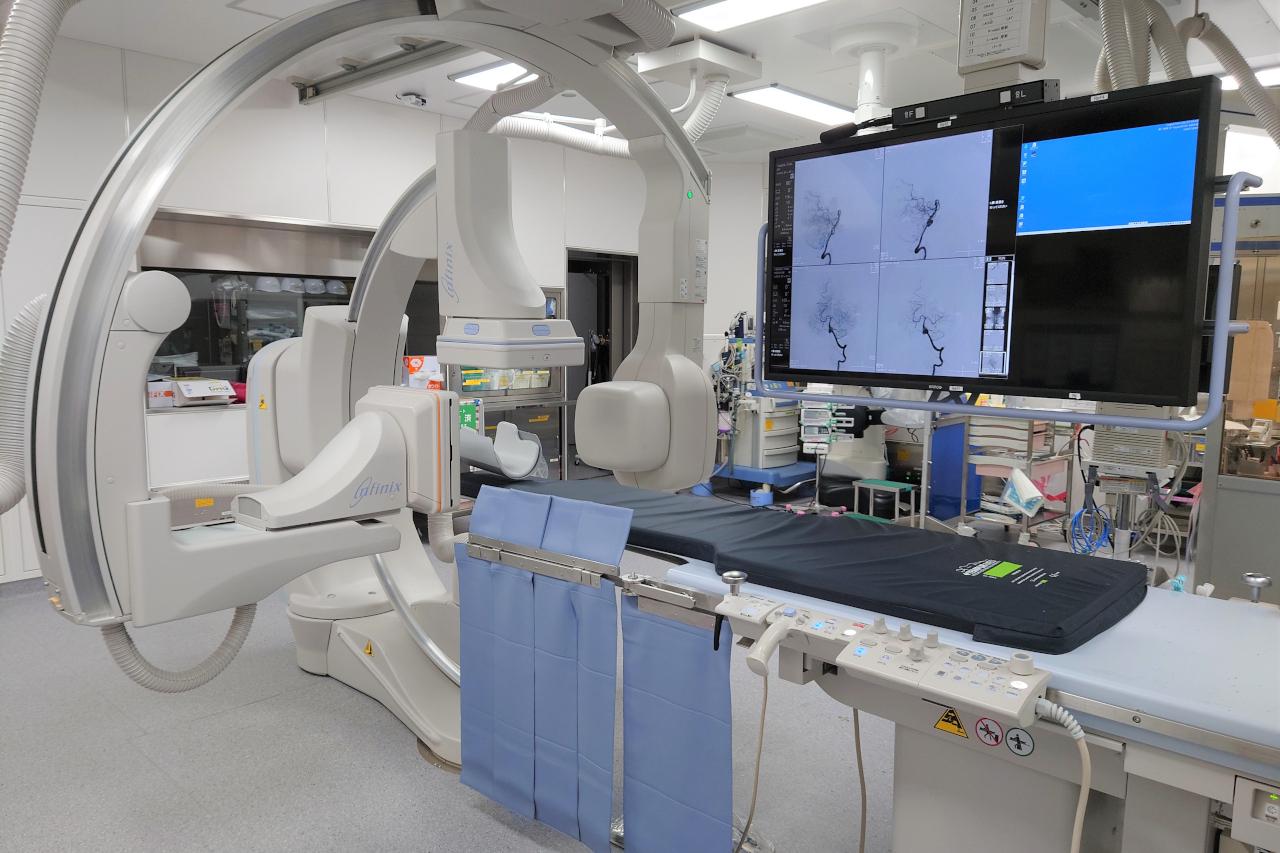
On the procedure day, the patient is prepared in a sterile procedure room or cath lab. Most IR procedures are done through a small needle puncture using local anesthesia, sedation or anesthesia support depending on the case. Imaging guidance helps the doctor place the needle or catheter exactly at the target area. After treatment, the puncture site is dressed and the patient is monitored in recovery before discharge or admission. Many IR procedures are performed under local anesthesia or sedation, while complex cases may require general anesthesia.
The main benefit of Interventional Radiology is that it treats many conditions without major surgery. Because the treatment is image-guided and targeted, it can reduce damage to surrounding tissues. Many IR procedures offer smaller punctures, less pain, lower risk, shorter hospital stay and faster recovery compared with open surgical techniques.
Other benefits include daycare possibility in selected cases, faster return to daily life, precise treatment planning, organ-preserving options, reduced need for large cuts and stitches, and treatment choices for patients who may not be fit for major surgery.
Recovery depends on the type of procedure. Some patients go home the same day, while others may need observation or hospital admission. After the procedure, patients are usually advised to rest, keep the puncture site clean and dry, avoid heavy lifting for a few days, take medicines as prescribed, drink fluids if contrast was used, and attend follow-up visits with imaging when required. Radiology Info notes that after iodine-based contrast, patients are often advised to increase fluid intake to help remove contrast from the body, unless the doctor gives different advice.
Contact the hospital immediately if you notice increasing pain, swelling, bleeding, fever, pus discharge, chest pain, breathing difficulty, severe weakness, numbness, or sudden worsening of symptoms.



Epic International Hospitals supports interventional radiology care through specialist-led treatment planning, coordinated diagnostics, and patient-friendly follow-up workflows.
Cost depends on diagnosis complexity, condition severity, investigations, treatment type, hospital stay duration, medicines, and insurance coverage conditions.
For accurate planning, request a personalized estimate after specialist consultation and test review.
Insurance and cashless support may be available based on policy terms, hospital empanelment, and insurer approval.
Epic International Hospitals in Banjara Hills, Hyderabad offers consultation, diagnosis, and treatment planning for interventional radiology with specialist support.
Patients commonly reach the hospital from nearby areas including Jubilee Hills, Ameerpet, Punjagutta, Mehdipatnam, Somajiguda, and other parts of Hyderabad.
No related blog articles are published for this specialty yet.
Connect with our care team for specialist consultation, diagnosis support, and treatment planning.
This information is for general awareness only and should not replace medical consultation. Please consult a qualified doctor for diagnosis and treatment advice.