Experienced Specialists
Consult with doctors experienced in diagnosis and treatment planning.

Proctology is one of the key areas of medicine that deal with the diagnosis and treatment of diseases of the anus, rectum and lower gastrointestinal tract. Diseases that can be treated in proctology include hemorrhoids, fissure, fistula, pilonidal sinus, anal abscess , bleeding from the rectum, problems caused by constipation, and painful evacuation. Proctology at EPIC International Hospitals covers the following areas: diagnosis, patient comfort, minimal intervention, quick recovery and prevention.
Consult with doctors experienced in diagnosis and treatment planning.
Investigation-led decisions through modern diagnostic pathways.
Selected procedures may be planned with efficient hospital stay strategy.
Insurance desk assistance for approvals and documentation workflow.
Proctology is provided through diagnosis-based care to improve symptoms, comfort, and long-term health outcomes with specialist guidance.
Proctology at Epic International Hospitals, Banjara Hills, Hyderabad is managed through specialist consultation, clinical diagnosis, and patient-specific treatment pathways.
Care may include medication, minimally invasive procedures, or surgery when needed, along with insurance coordination and follow-up guidance.
Explore the major Proctology categories below. Each category groups the relevant treatment and procedure pages already published in the CMS.
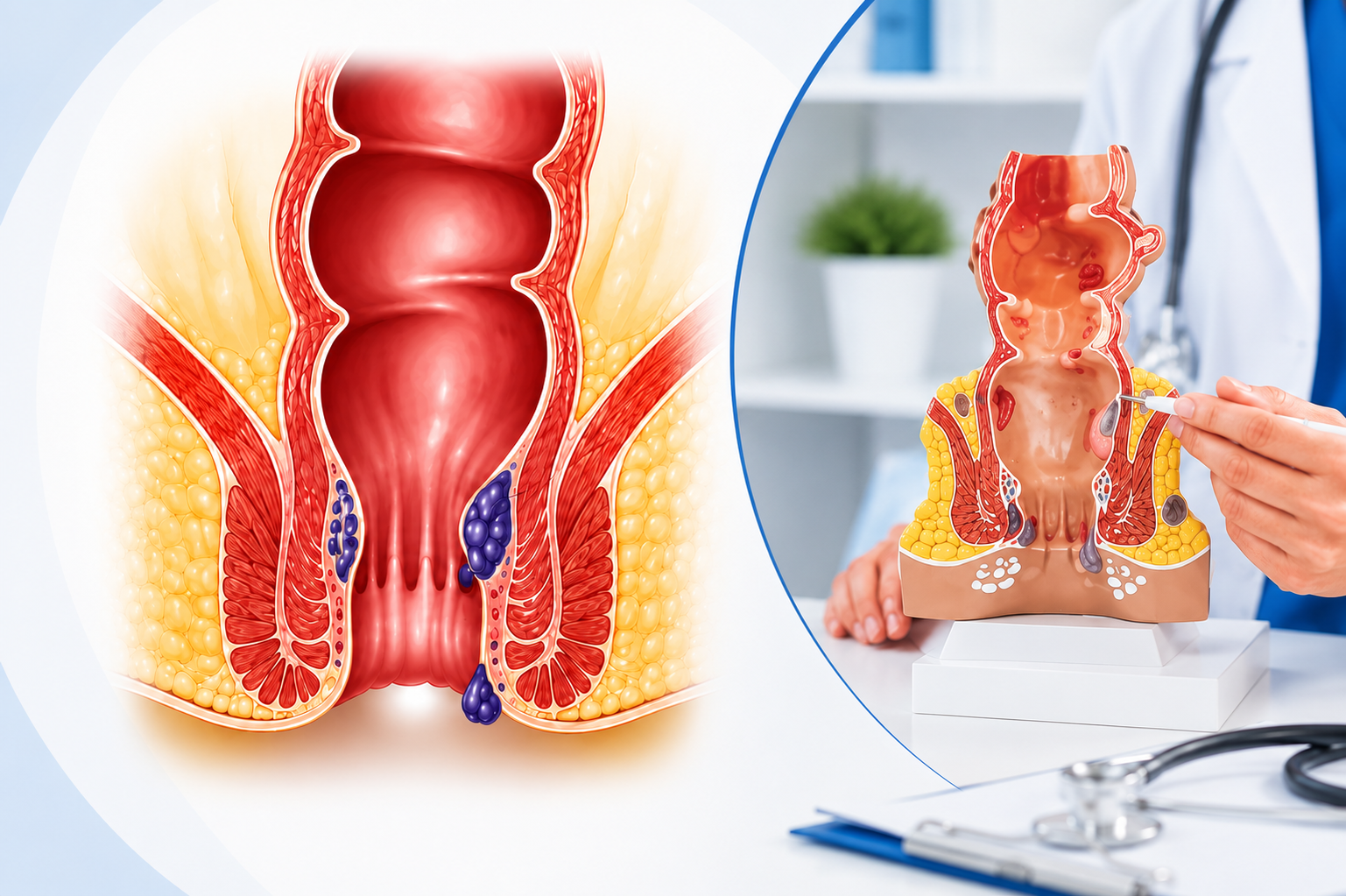
Structured pathways for diagnosis, treatment planning, and procedure access.
Proctology is a specialized branch of medicine that focuses on the diagnosis, treatment, and management of disorders affecting the anus, rectum, and lower part of the digestive tract (colon). It deals with a wide range of conditions that can cause pain, bleeding, swelling, itching, difficulty with bowel movements, and other anorectal symptoms.
Accurate diagnosis is essential for identifying disorders of the rectum, anus, and lower gastrointestinal tract. Proctologists use a combination of medical history, physical examination, and specialized diagnostic procedures to determine the cause of symptoms and plan the most appropriate treatment.
Non-surgical treatments are often the first line of management for common proctological conditions such as hemorrhoids, anal fissures, constipation, and mild anorectal disorders. These treatments focus on relieving symptoms, reducing inflammation, promoting healing, and preventing recurrence without the need for surgery.
Minimally invasive procedures are advanced treatment techniques used in proctology to manage conditions such as hemorrhoids, anal fissures, fistulas, and other anorectal disorders without the need for open surgery. These procedures are performed using specialized instruments and imaging guidance, allowing for precise treatment with minimal tissue damage.
Surgical procedures in proctology are advanced treatment options used to manage moderate to severe anorectal conditions that do not respond to medical or minimally invasive therapies. These procedures are performed to correct structural problems, remove diseased tissue, and provide long-term relief from symptoms.
Proctology is a specialized branch of medicine that focuses on the diagnosis, treatment, and prevention of diseases and disorders affecting the anus, rectum, and lower part of the digestive tract. It deals with a wide range of conditions, including hemorrhoids (piles), anal fissures, anal fistulas, rectal bleeding, abscesses, constipation, and other colorectal disorders.
Common symptoms of proctology conditions include:
Piles may cause itching, swelling, pain, and rectal bleeding, while anal fissure commonly causes sharp pain and bleeding during bowel movements. Anal fistula may cause pain, pus discharge, swelling, and repeated infection near the anus.
Proctology problems can happen due to:
Hemorrhoids are commonly linked to straining, constipation, diarrhea, pregnancy, and low-fiber diet. Anal fistula usually develops after an anal abscess, and pilonidal disease may occur when hair becomes embedded in the skin, especially in people who sit for long periods
If ignored, proctology conditions can lead to:
Anal fistula usually does not heal completely without proper treatment, and untreated abscess or fistula can keep recurring. Pilonidal cysts can also become infected and painful, sometimes needing drainage or surgery.
You should consult a proctology specialist if you have:
Rectal bleeding should not be ignored because it may need proper examination to rule out other causes. For hemorrhoid symptoms, medical review is recommended if over-the-counter treatment does not improve symptoms within about one week.
Diagnosis usually starts with a detailed consultation and physical examination. Based on symptoms, the doctor may advise:
Doctors can often diagnose hemorrhoids through medical history and physical examination. Internal piles may need digital rectal examination or procedures to look inside the anus and rectum. Anoscopy can help identify hemorrhoids, fissures, tears, and abnormal growths. Complex fistula cases may require ultrasound, CT, or MRI.
The choice of treatment will be based on the specific condition, its severity, and overall health of the individual. Treatment options may include the following:
- Laser therapy for hemorrhoids, anal fissures, fistula or pilonidal sinus in some cases
- Rubber band ligation for hemorrhoids
- Sclerotherapy or other treatments for piles
- Anal fissure treatment with medicines/surgery if chronic
- Fistula treatment with surgery/fistulotomy/seton/laser/sphincter saving procedure according to type of the tract
- Abscess drainage
- Pilonidal sinus drainage/surgical excision
In mild cases of hemorrhoids, improvement can be achieved with fiber, fluids, and medicines; however, fistula and infected pilonidal disease may require procedural/surgical interventions.
It depends on the disease, its intensity, and the general well-being of the patient. Possible treatments include:
Diet and lifestyle modification
High-fiber diet and increased fluid intake
Use of stool softeners or laxatives
Sitz bath
Analgesic drugs
Ointment
Antibiotics to treat the infection if necessary
Laser treatment in case of piles, fissure, fistula, or pilonidal sinus in certain instances
Rubber band ligation for piles
Sclerotherapy or any procedure for piles
Medication or surgical treatment of chronic fissure
Operation or fistulotomy, seton, laser, or sphincter-preserving operations based on the tract
Abscess drainage
Draining pilonidal sinus or pilonidal sinus surgery
Mild cases of piles will be manageable through dietary and medicinal methods; however, fistula and infected pilonidal disease will require procedural or surgical treatment.
Timely proctological treatment will ensure:
Pain relief and stop bleeding
Bowel movement comfort
Reduction of swelling and itch
Prevention of infection and secretion
Quick recovery to normal activities
Prevention of reoccurrence
Good hygiene and improved quality of life
Detection of possible severe reasons for bleeding
Minimization of the need for complex surgery in the future
Early detection is particularly important since there are similar symptoms of piles, fissure, fistula, and abscess which require different approaches.
Based on the kind of situation and treatment provided, recovery requires:
For those who receive simple treatments, recovery is through proper feeding, hydration, medication and regular passage of stools.
Where there is daycare surgery and surgery, one should be able to stick to the instructions regarding wound care, proper medication, prevention of constipation, maintain hygiene standards and visit doctors for the follow-up.
What needs to be done include:
Taking food that contains high amounts of fiber.
Drinking plenty of water
Do not strain during stool passage
Avoiding remaining on the toilet for long
Using stool softeners where necessary
Taking sitz bath where instructed
Ensure anal area is clean and dry
Do not lift heavy loads for several days after the treatment
Adhere to the instructions regarding dressings if you have a fistula or pilonidal sinus wound
Visit the doctor if there is a case of fever, pain, bleeding or pus production
People resume their daily activities depending on the type of treatment provided and doctors' instructions.
For those receiving fistula surgery treatment, many leave the hospitals on the same day.


Epic International Hospitals supports proctology care through specialist-led treatment planning, coordinated diagnostics, and patient-friendly follow-up workflows.
Cost depends on diagnosis complexity, condition severity, investigations, treatment type, hospital stay duration, medicines, and insurance coverage conditions.
For accurate planning, request a personalized estimate after specialist consultation and test review.
Insurance and cashless support may be available based on policy terms, hospital empanelment, and insurer approval.
Epic International Hospitals in Banjara Hills, Hyderabad offers consultation, diagnosis, and treatment planning for proctology with specialist support.
Patients commonly reach the hospital from nearby areas including Jubilee Hills, Ameerpet, Punjagutta, Mehdipatnam, Somajiguda, and other parts of Hyderabad.
No related blog articles are published for this specialty yet.
Connect with our care team for specialist consultation, diagnosis support, and treatment planning.
This information is for general awareness only and should not replace medical consultation. Please consult a qualified doctor for diagnosis and treatment advice.